
NRT-Logo"/

TLIF0009 - Ensure the safety of transport activities (Chain of Responsibility)

Learn the skills and knowledge to ensure the safety of transport activities, including identifying and reporting chain of responsibility risks.

Duration
1 Day
Cost
$600
Delivery Mode
Accredited

NRT-Logo"/

TLIF0009 - Ensure the safety of transport activities (Chain of Responsibility) overview

The TLIF0009 – Ensure the safety of transport activities (Chain of Responsibility) unit equips students with the essential skills and knowledge required to safely identify, apply, and follow Chain of Responsibility (CoR) legislation and workplace regulations within the transport, logistics, and supply chain sectors.

What you will learn:

  • CoR Framework:  You will learn to identify the key parties involved in the transport chain and understand the shared legal responsibilities and primary duties established under the Heavy Vehicle National Law (HVNL) or equivalent state regulations.
  • Workplace Policies:  You will gain skills in accessing, interpreting, and applying relevant workplace policies, procedures, and transport documentation to ensure individual and operational compliance.
  • Risk Management:  You will master how to assess the likelihood and consequences of harm regarding transport hazards, focusing on critical safety factors such as speed, fatigue, vehicle mass/dimension limits, and load restraint.
  • Breach Reporting:  You will understand how to identify potential or actual Chain of Responsibility breaches and follow established workplace processes to properly report compliance risks and hazards.

By successfully completing this unit of competency, students gain the operational confidence needed to manage risk and maintain safety across all transport activities following established workplace protocols and Australian national training standards.

Training and Assessment delivered under the auspices and in partnership arrangement on behalf of Health Security & Education Pty Ltd, RTO 40907.
  • Age – Participants must be a minimum of 18 years old
  • Unique Student Identifier (USI) – All participants must provide a valid USI prior to course commencement, in accordance with national training requirements.
  • Language, Literacy and Numeracy (LLN) – Language, Literacy, Numeracy and Digital needs (LLND) must be assessed before commencing the course you are enrolled for. You need to be confident to interpret safety instructions, complete documentation and communicate directly and using radios to complete the theory and practical components of the course
  • Identification – Official Photo Identification will need to be presented on the day of your course.
  • Physical Capacity and Physical Fitness – Students must have sufficient physical fitness and functional capacity to undertake the demands of the practical components of the demonstrations and assessments.
By enrolling, you acknowledge that being under the influence of drugs or alcohol is a breach of safety protocols. In these instances, no refund will be issued, and full course fees will apply for any future re-booking.

The TLIF0009 – Ensure the safety of transport activities (Chain of Responsibility) unit is specifically designed for operational, administrative, and management personnel who have a shared legal duty to ensure safety across the entire transport and logistics supply chain.

Who should consider enrolling in this course?

  • Transport Schedulers & Planners: Office-based personnel responsible for rostering, allocating loads, and managing delivery timelines while ensuring driver fatigue and speed compliance.
  • Commercial Vehicle Drivers: Heavy vehicle, courier, and distribution drivers who need a comprehensive understanding of their legal on-road responsibilities under Chain of Responsibility (CoR) laws.
  • Loading Managers & Yard Supervisors: Team leaders and depot supervisors who oversee freight loading, vehicle mass and dimension limits, and securement compliance at the loading dock.
  • Corporate Executives & Business Owners: Directors and senior managers who carry primary executive liability and require a robust understanding of their organisation’s transport safety duties.

Industry and Organisational Suitability:

  • Supply Chain & Road Transport Providers: Freight forwarding, linehaul, and local courier companies aiming to upskill their workforce to strictly comply with the Heavy Vehicle National Law (HVNL).
  • Mining, Resources & Energy Sectors: Resource corporations and contractors requiring strict compliance with zero-harm haulage protocols and rigorous site supply chain regulations.
  • Civil Construction & Infrastructure: Contractors needing to ensure that incoming bulk materials, structural equipment, and plant machinery are moved without safety breaches.
  • Manufacturing & Wholesale Distribution: Businesses that dispatch raw materials or finished products and want to protect their staff and brand from legal liability during transit.

Completing the TLIF0009 – Ensure the safety of transport activities (Chain of Responsibility) unit provides vital operational skills that significantly enhance your on-site capabilities, legal compliance, and career versatility across major industrial sectors.

Key benefits include:

  • Career Advancement: Expands your professional skill set, making you a highly versatile candidate for sought-after roles in supply chain planning, scheduling, yard supervision, and transport management.
  • Safety Knowledge: Equips you with deep knowledge of risk mitigation, safety management systems, and hazard identification to prevent transport accidents, speed breaches, and heavy vehicle compliance issues.
  • National Recognition: Successful students earn an accredited statement of attainment that is respected and transferable across states, territories, and transport sectors throughout Australia.
  • Regulatory Compliance: Ensures you operate entirely in line with strict National Heavy Vehicle Regulator (NHVR) standards and Heavy Vehicle National Law (HVNL) Chain of Responsibility (CoR) obligations.
  • Operational Efficiency: Builds confidence in implementing workplace transport policies, properly managing driver fatigue, verifying load mass limits, and accurately documenting freight compliance.
  • Industry Demand: Fulfills a critical legal requirement for supply chain personnel, heavy vehicle drivers, and schedulers, making your profile stand out to premium tier-1 logistics firms and freight companies.

Completing this unit TLIF0009 – Ensure the safety of transport activities (Chain of Responsibility) opens up career paths for site, road, and management personnel across Australia’s transport, logistics, and supply chain sectors.

Roles where this unit may be relevant:

  • Logistics & Warehouse Worker: Executing day-to-day picker, packer, or freight handling tasks while identifying and avoiding workplace risk factors.
  • Heavy Vehicle Driver / Operator: Operating mobile machinery or commercial vehicles with a clear understanding of legal obligations regarding mass, dimensions, and speed.
  • Scheduler / Transport Coordinator: Planning delivery timelines, fatigue management strategies, and transit routes that strictly prevent on-road safety breaches.
  • Loader / Unloader / Yard Hand: Directing safe truck packing, load restraint compliance, and handling documentation at distribution depots and terminal yards.
  • Loading Manager / Supervisor: Overseeing workplace policies, auditing transport activities, and legally reporting CoR non-compliance within the business.

Industries where this unit may be relevant:

  • Transport & National Road Logistics: Managing the safe, legal movement of commercial freight across regional haulage networks.
  • Civil Construction & Infrastructure: Directing the supply chain safety of bulk building materials and earthmoving plant incoming to project sites.
  • Mining Operations & Resources: Supervising the distribution of structural parts, hazardous cargo, and machinery required for mine site operations.
  • Manufacturing & Wholesale Distribution: Controlling the dispatch, pallet stacking, and safe vehicle loading of manufactured consumer goods.
  • Maritime Stevedoring & Intermodal Terminals: Coordinating containerised freight transfers between shipping terminals, rail corridors, and heavy vehicles.
While this unit provides skills relevant to the roles listed above, completion does not guarantee employment or specific job placement.

On completing TLIF0009 – Ensure the safety of transport activities (Chain of Responsibility) students will be able to:

  • Identify chain of responsibility features in the HVNL or applicable state/territory law and regulations
  • Apply chain of responsibility obligations in the HVNL or applicable state/territory law and regulations

This course includes the following nationally recognised unit(s) of competency:

  • The TLIF0009 – Ensure the safety of transport activities (Chain of Responsibility) unit is a standalone unit of competency, accredited under the Australian Qualifications Framework (AQF).

It may be delivered individually or as part of a qualification.

Qualifications that include this unit are:

Unit CodeUnit Name
TLIF0009 Ensure the safety of transport activities (Chain of Responsibility)
  • Participants will need sufficient English skills to interpret safety instructions, complete documentation and communicate during classroom and practical demonstrations and assessments.
  • A pre-course LLND assessment ensures you have the reading, writing, numeracy and communication skills needed to successfully complete the course.
  • Digital Literacy – you will require digital technology proficiency sufficient to use and navigate various forms of digital and electronic tools, platforms and technology to communicate and demonstrate understanding of course information and skills.

There are no prerequisites for this unit.

The following methods will be used to assess competency for TLIF0009 – Ensure the safety of transport activities (Chain of Responsibility)

• Assessor Checklists
• Theoretical Assessments including short answer and multi-choice questions
• Individual and team based practical and scenario assessments

The TLIF0009 – Ensure the safety of transport activities (Chain of Responsibility) unit is a nationally recognised competency, accredited under the Australian Qualifications Framework (AQF).

Successful participants will receive a Statement of Attainment for National Training Register – TLIF0009 Ensure the safety of transport activities (Chain of Responsibility) issued by an Australian Registered Training Organisation (RTO) upon demonstrating competency in all assessment requirements.

Training and Assessment delivered under the auspices and in partnership arrangement on behalf of Health Security & Education Pty Ltd, RTO 40907

Personal Protective Equipment (PPE) and training materials will be provided on the day of your course.

Our Forrestdale Training Facility has a compact kitchen area with an automated tea/coffee machine.

  • A fridge and microwave are provided for participants to store and heat their own snacks/meals.
  • A vending machine is stocked with quick snacks, healthy options and bottle/canned drinks.
  • Alternatively, there are a variety of food outlets and cafes close by if you wish to purchase food/drinks. We recommend purchasing before the course starts as businesses may change advertised operating hours without notice.
Please bring your own water bottle – we have a cold-water unit for refills.

Courses include practical demonstrations and assessments that all participants are required to be involved in.

All participants are required to wear:

  • Long pants
  • Long sleeved shirts
  • Steel cap safety boots
  • Prescription glasses if worn.

We also encourage you to dress accordingly for weather conditions and suggest the following items:

  • Hat
  • Sunglasses
  • Additional clothing to keep dry/warm if raining or windy

On the day of your course, you will be required to provide official photo identification on arrival at our Forrestdale Training Centre or other training locations.

  • Official photo identification includes Driver Licence, Passport or Australian State or Territory issued Photo Card.

Expired identification will not be accepted.

Participants must possess a level of physical fitness that allows them to safely meet the demands of practical demonstrations and assessments. Training provides the simulation experience you need to acquire the skills for assessment, from evaluating supply chain documentation and checking vehicle mass parameters to identifying loading risk factors and working effectively alongside a team. In assessments, you will demonstrate that you can manage heavy vehicle transport risks safely, identify potential on-road compliance breaches, and respond to real-world situations just as you would in transport depots, administrative offices, or logistics hubs.

Course practical requirements:

  • Mobility and Agility: Ability to move securely around office environments, training rooms, or active warehouse dispatch areas to access compliance documents and participate in scenario-based safety audits.
  • Manual Dexterity: Sufficient coordination to efficiently use computer systems, digital logging devices, or physical paperwork to accurately complete transport safety documentation and regulatory risk reports.
  • Physical Stamina: Capacity to maintain consistent focus during intensive risk assessments, detailed compliance tracking, and structured hazard analysis sessions.
  • Visual and Auditory Fitness: Adequate vision and hearing to read vehicle mass/dimension charts, interpret safety signage, analyze written workplace policies, and effectively communicate safety breaches to team members.
  • Fatigue Management: Capability to identify the physical signs of fatigue within yourself and others and understand its operational impacts on heavy vehicle safety and legally mandated rest requirements.
  • We will capture training, demonstrations and assessment by taking photographs or video or sound recordings.
  • We will include in our enrolment package to you a photographic/media consent form which details the collection and use of your personal image in any way by Risk Management Training Solutions Pty Ltd (RMTS) for print and digital communications, publications, productions or presentations as well as for identification purposes and as evidence of participation and assessment activity.
  • Your completed consent form will be placed on file and retained by RMTS. We will also advise you in this form on how you can withdraw your consent.

To ensure the safety of all participants and maintain the integrity of our assessment processes, all students must be fit to participate in practical training and assessment activities. These requirements reflect and mirror industry safety expectations, including those used in mining and other high‑risk environments.

Our fitness‑for‑assessment procedure includes:

  • Self‑Declaration: By enrolling and attending, you confirm you are not under the influence of alcohol or illicit drugs.
  • Medication Disclosure: If you are taking medication that may cause drowsiness or impair your physical or cognitive abilities, you must advise your assessor. We will work with you to determine if reasonable adjustments or rescheduling can be considered.
  • Impairment Screening: To maintain a safe site, trainers may conduct impairment checks, including breathalyser (BAC) and drug screening, to ensure a safe training environment.
  • Removal for Safety: Any participant assessed as unfit to safely participate and operate machinery, will be removed from the session for the safety of themselves and others.
  • Refund Conditions: Attending training under the influence of drugs or alcohol is a breach of safety protocols. In these instances, no refund will be issued, and full course fees will apply for rebooking.
By enrolling, you acknowledge and agree to these safety protocols, ensuring you are prepared for the demands of operating in a high-risk work environment.
  • Delivered over 1 day.

Exact daily schedules—including start and finish times, break periods, and assessment windows—will be provided upon completion of enrolment, allowing us to tailor information to your specific training group and location.

RMTS trainers and assessors deliver a blend of supervised learning, theoretical assessment activities, and realistic scenario‑based training to ensure learners can confidently apply their skills in real‑world environments. Each training day is structured to balance knowledge development with hands‑on practice, including multiple opportunities to participate in realistic simulations and skill‑building exercises.

This course is delivered at a range of workplaces and training sites to provide realistic, industry-specific learning environments.  See our locations below:

  • Forrestdale office
  • On site
  • In your workplace/office

RMTS can deliver many of our courses at your nominated site or in your workplace.

Why send staff off‑site when RMTS can deliver high‑impact training right at your location?

Contact us to tailor a site-specific program and create a delivery plan built specifically for your operational needs.

Experience dynamic learning at Forrestdale, Perth with great facilities in a great location

The cost of the TLIF0009 – Ensure the safety of transport activities (Chain of Responsibility) course reflects the high level of industry expertise, resources, and workplace-based training provided.

TitleFee
Full Fee1 $600
Location Please request course fees for your workplace or onsite delivery
  • RMTS Fee Policy - Full fees are payable upfront to secure your enrolment
  • Corporate Bookings - We are able to provide an invoice upon receipt of your purchase order
  • Location - Fees displayed are applicable to training at our Forrestdale Training Facility (or our nominated alternative location) only

What's next?

Enrolling in our courses is now easier than ever, thanks to our online enrolment process. Simply click on the button below, and you’ll be taken to our online enrolment form, where you can provide all the necessary information and complete your enrolment in just a few easy steps. Our online enrolment process is convenient, secure, and available 24/7, ensuring that you can enrol at a time that suits you. Don’t let distance or time constraints hold you back from achieving your career goals. Enrol online today and take the next step in your professional journey.

Available Intakes

For information regarding enrolment, please submit an enquiry

There are currently no dates scheduled for this course. Please contact us here for more information.

Have some questions?

If you have any questions related to the TLIF0009 – Ensure the safety of transport activities (Chain of Responsibility) please contact us here
Related Courses

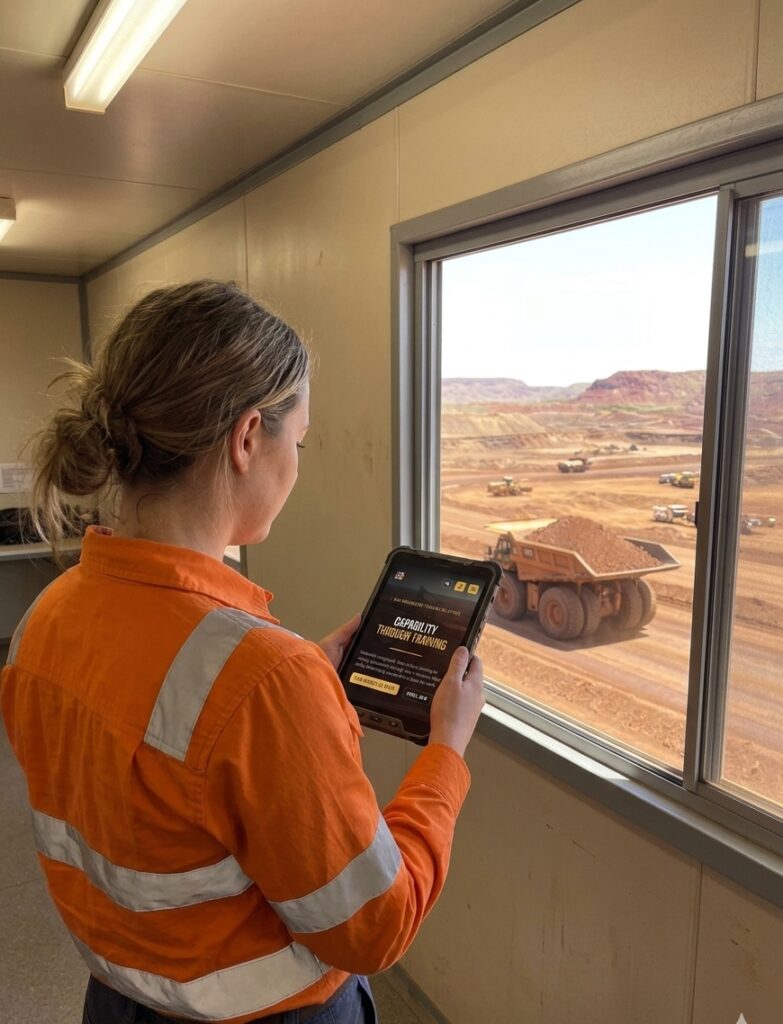
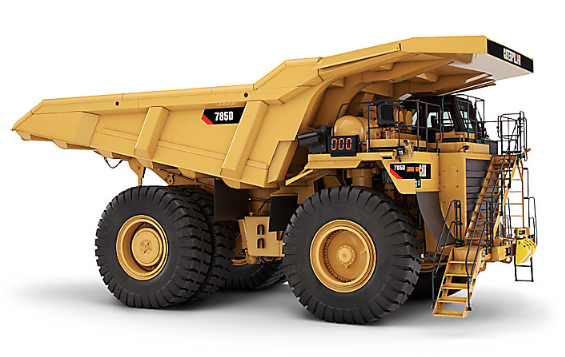
RIIMPO338 – Conduct rigid haul truck operations equips participants with the practical skills and safety knowledge required to operate large off‑highway rigid trucks confidently in mining, quarrying, and civil construction environments. The unit focuses on real‑world operational capability, ensuring participants can perform haulage tasks safely, efficiently, and in line with industry and site standards.
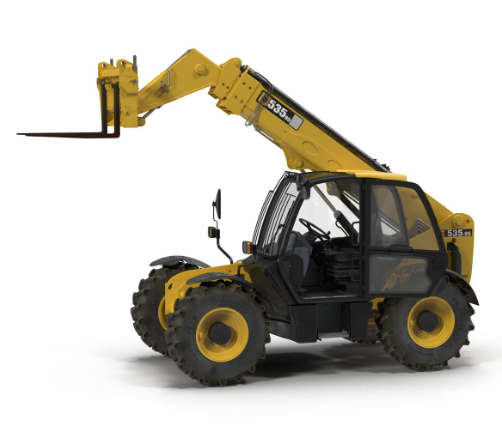
RIIHAN309F – Conduct telescopic materials handler operations unit provides participants with the skills and knowledge required to safely and effectively conduct telescopic materials handler operations in site‑based environments. The course introduces participants to the operational principles, compliance requirements, and workplace procedures that underpin safe use of telescopic handlers across civil infrastructure, mining, drilling, and extractive industry settings.
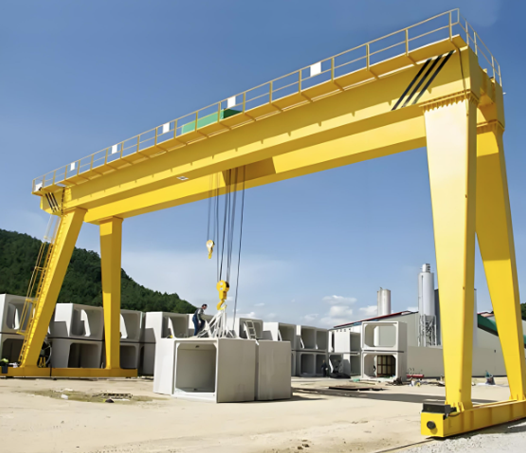
RIIHAN305D – Operate a gantry or overhead crane unit equips participants with the skills and knowledge required to safely and effectively operate a gantry or overhead crane in a range of site‑based environments. The course introduces participants to the operational principles, compliance requirements, and workplace procedures that underpin safe crane operations across the resources, infrastructure, and construction sectors.
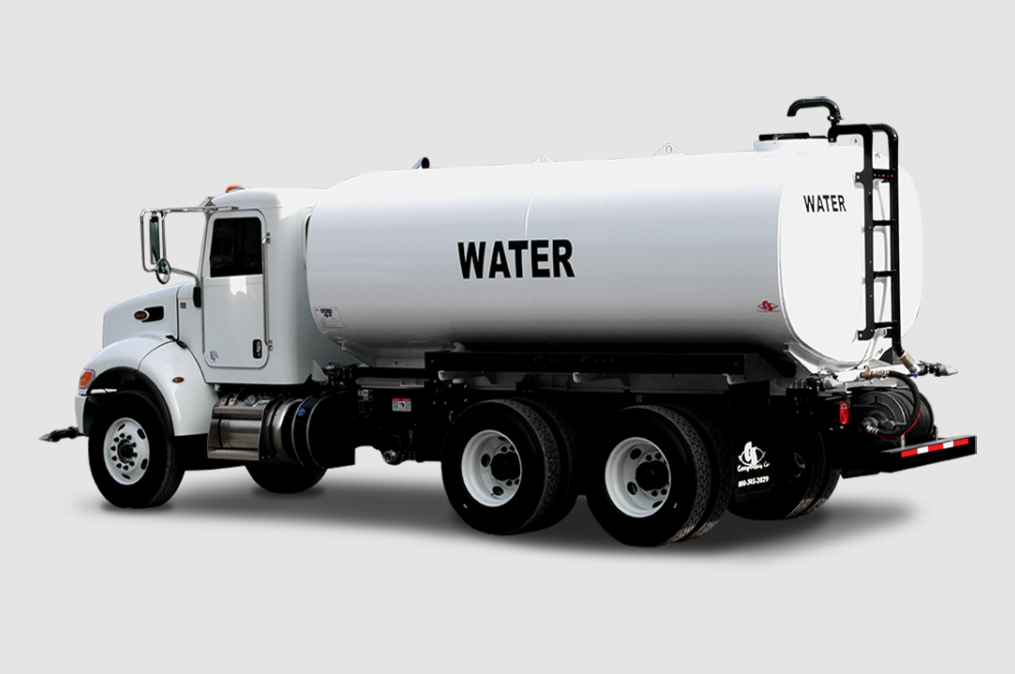
RIIMPO326E – Conduct water vehicle operations unit equips learners with the skills and knowledge required to safely load, haul, and distribute water using a water vehicle across civil infrastructure, mining, and extractive industry environments. The course introduces participants to the operational principles, compliance obligations, and workplace procedures that underpin safe water cart operations.
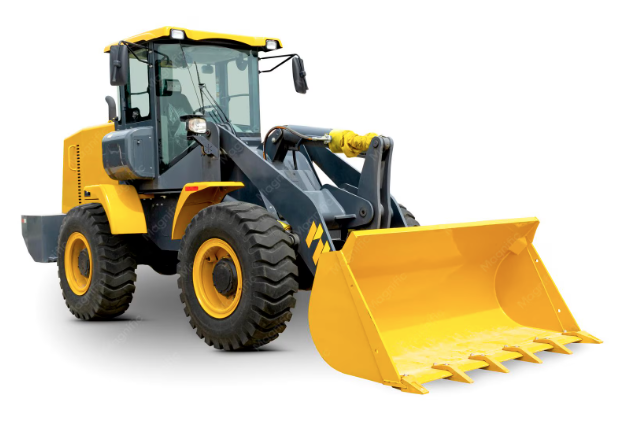
RIIMPO321 – Conduct civil construction wheeled front end loader operations unit equips participants with the skills and knowledge required to conduct wheeled front end loader operations safely and effectively in mining, civil construction and related earth moving work environments. You’ll learn the operational principles, compliance obligations, and workplace procedures that underpin safe and efficient loader operation.
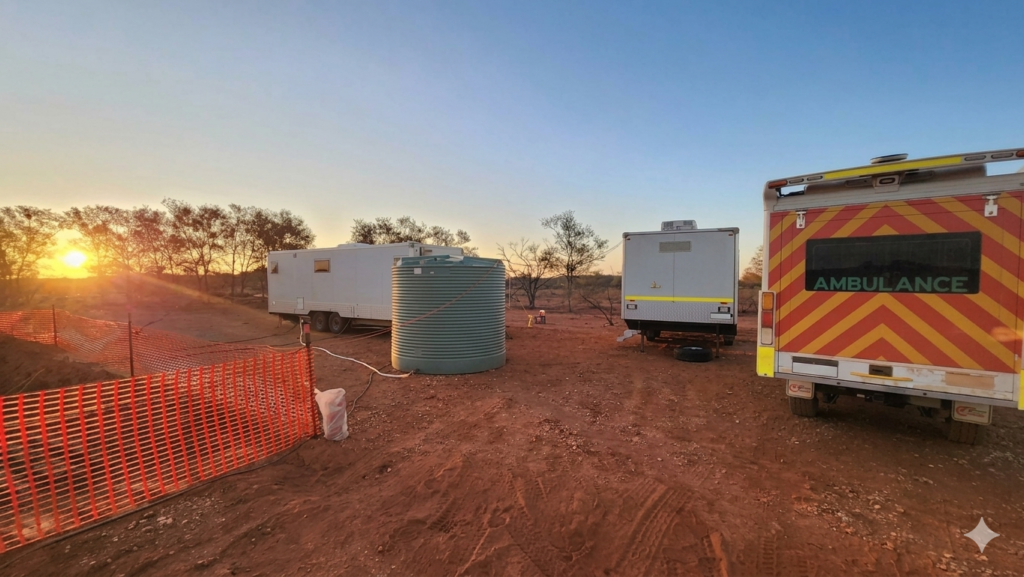
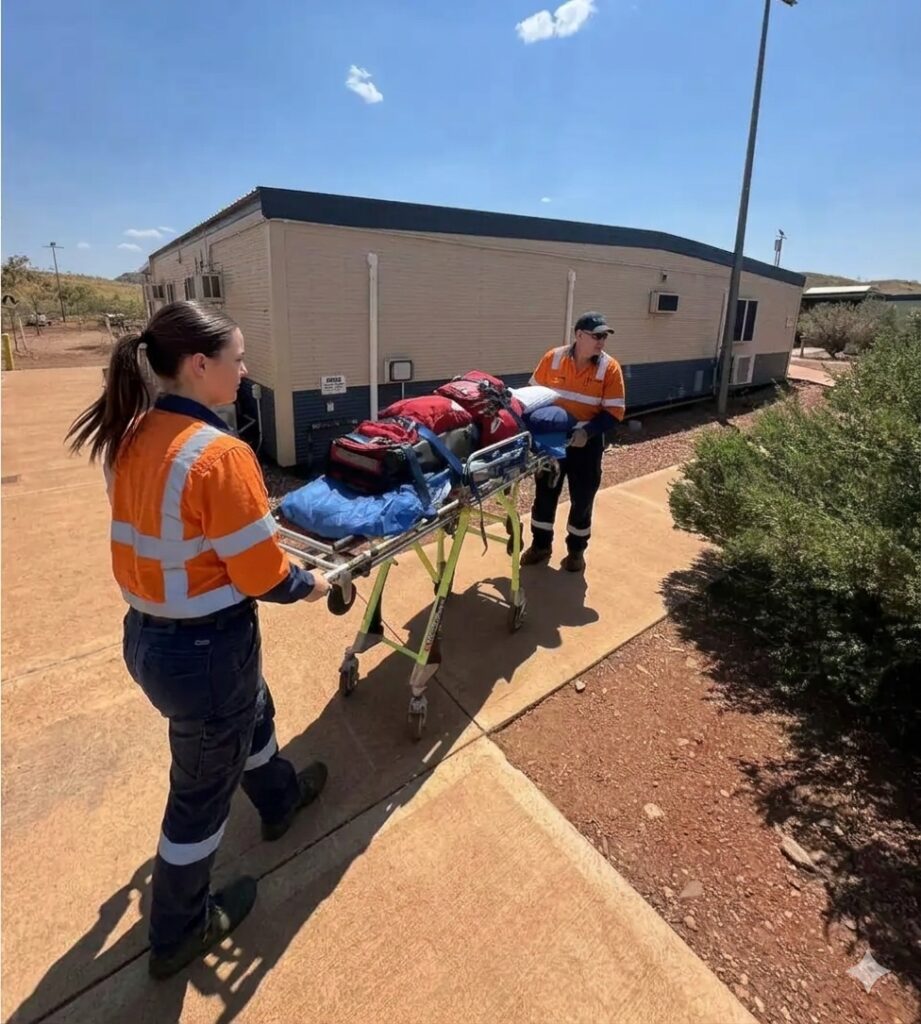
The HLTAID013 – Provide First Aid in remote or isolated site training equips learners with specialized skills to manage life-threatening emergencies and provide prolonged casualty care in locations where medical assistance is delayed. This course focuses on practical, industry-relevant outcomes through hands-on scenarios that prepare you to confidently coordinate evacuations and stabilize patients in challenging environments
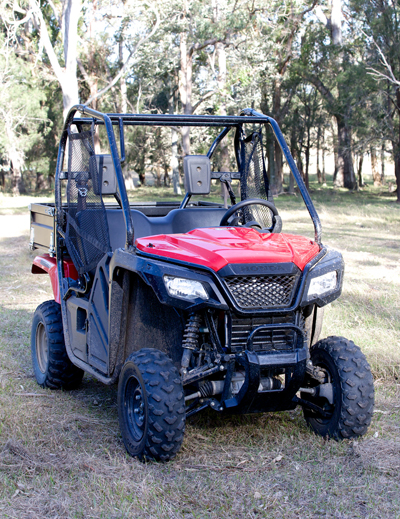
The AHCMOM216 – Operate side by side utility vehicles unit builds the essential skills to safely operate side‑by‑side utility vehicles (SSVs) across a range of terrains and workplace conditions. This practical course prepares you to complete pre‑start checks, manage loads, use safety features correctly, and operate with confidence under supervision.
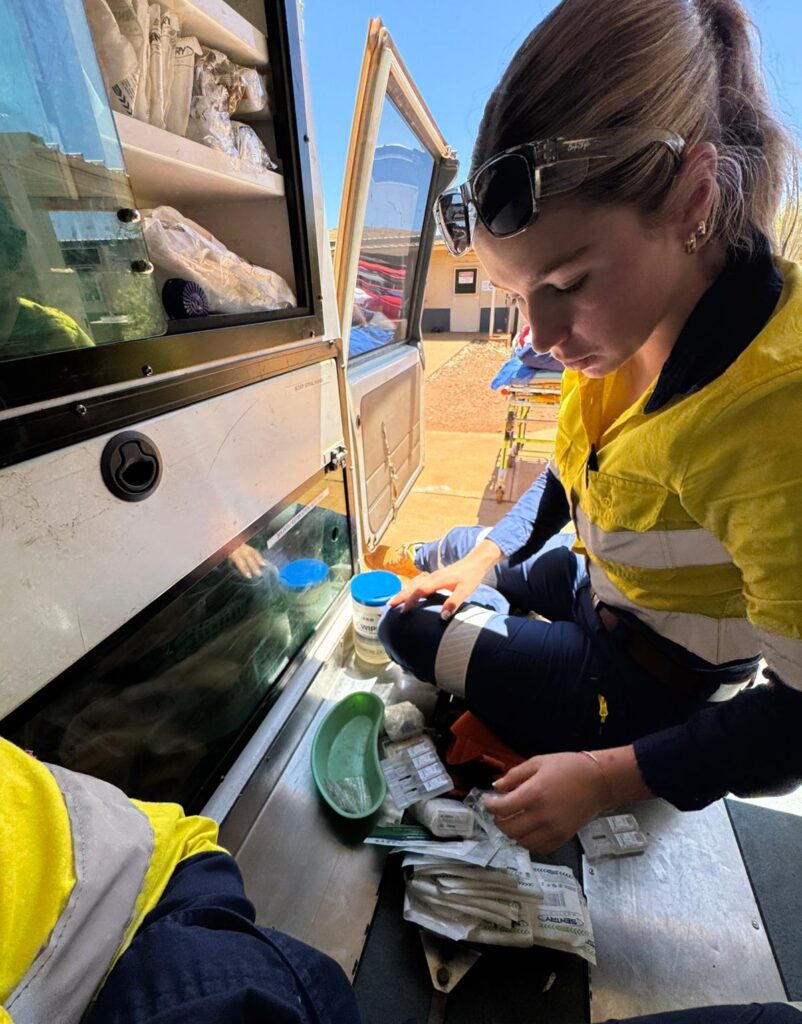
The Provide First Aid and CPR course is designed to equip participants with the knowledge and practical skills required to respond confidently and effectively in a range of emergency situations. This course covers the recognition and management of injuries and illnesses, as well as the delivery of cardiopulmonary resuscitation (CPR) in accordance with current Australian Resuscitation Council (ARC) guidelines.
The Provide Advanced First Aid (HLTAID014) course delivers the skills and knowledge required to coordinate and manage a first aid response to a range of complex situations in workplace or community environments.