Shutdowns

The PUAFIR210 – Prevent injury unit equips participants with the practical skills to identify workplace hazards, implement risk control measures including the use of PPE, and maintain safety through effective monitoring and reporting within high-risk environments.
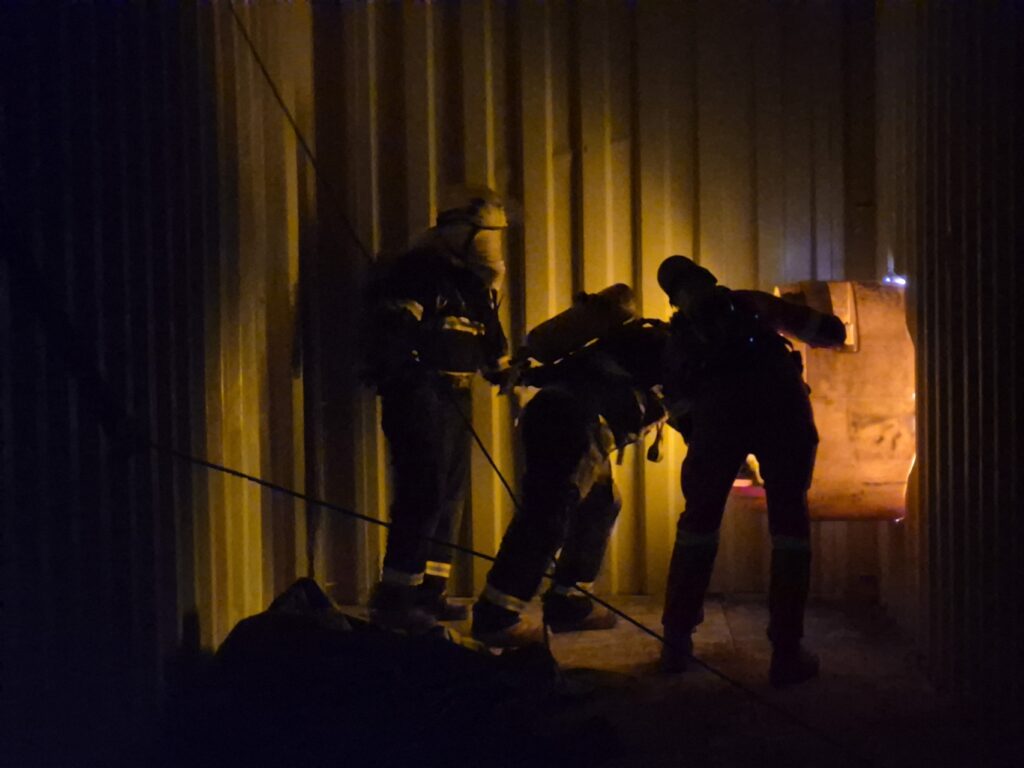
The PUAFIR207 – Operate breathing apparatus open circuit course involves participants gaining skills and knowledge to select, don, operate and maintain breathing apparatus equipment in a hazardous atmosphere. It is relevant for individuals working in high-risk environments such as mining, heavy industry and construction as well as in firefighting delivery sectors of government and industry. **RMTS includes PUAFIR210 Prevent injury for all enrolled students**
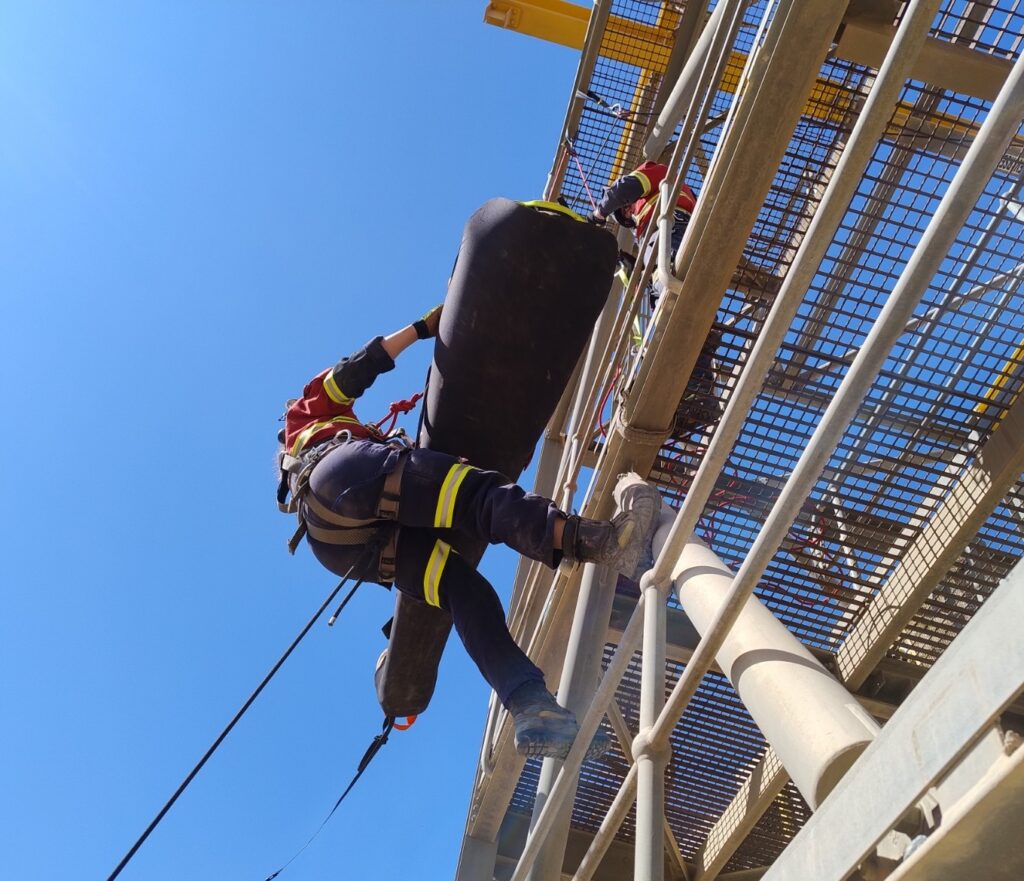
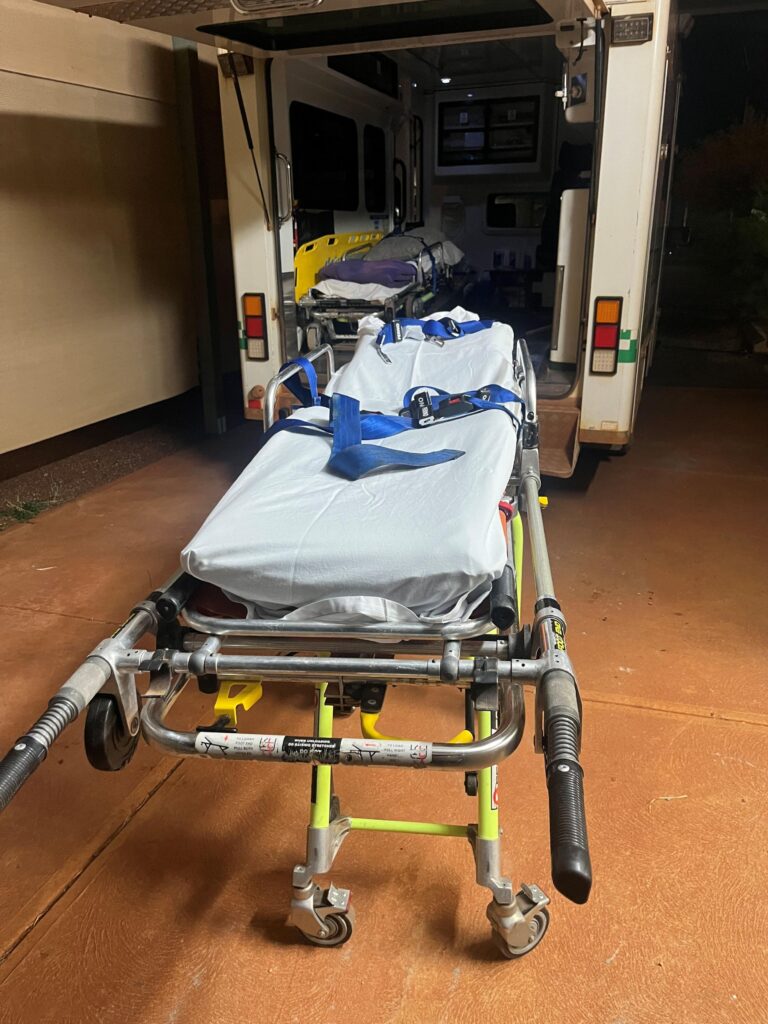
The PUASAR032 – Undertake vertical rescue course is designed to provide participants with the skills and knowledge required to perform vertical rescues in emergency situations. The unit includes a variety of vertical rescue situations, how to prepare, assess and respond to rescue scenes as well as establishing vertical rescue systems and performing in and terminating rescues. The unit is applicable to personnel in emergency services, volunteer and associated industries involving rescue situations.
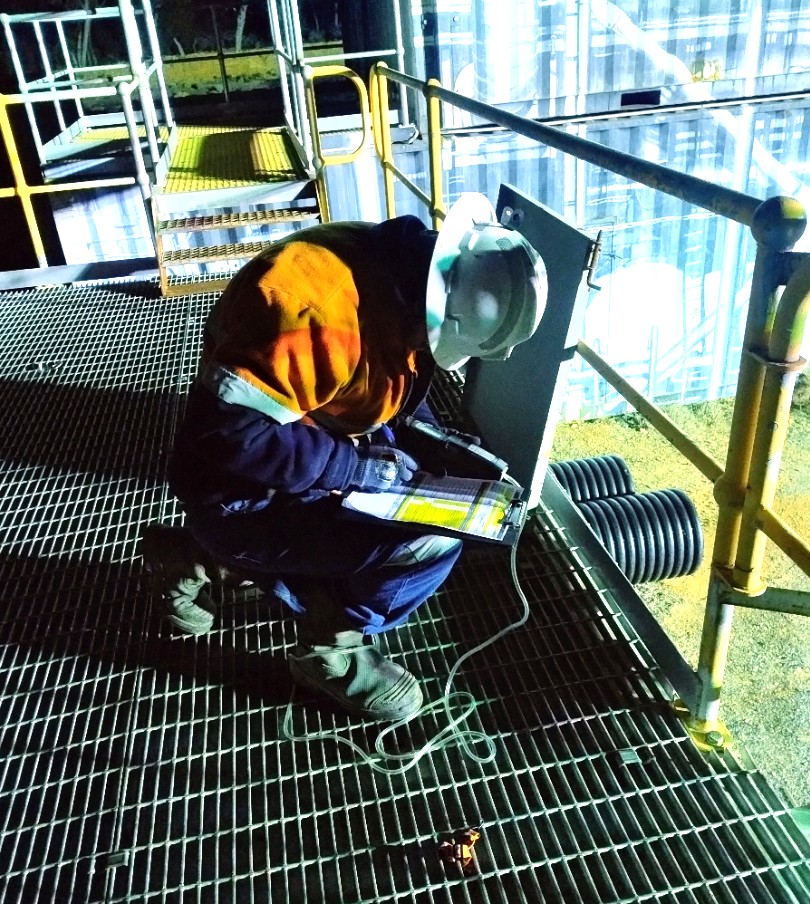
The RIIWHS401E – Supervise work in confined spaces unit provides students with the skills to safely oversee confined space operations, including hazard identification, risk control and emergency procedures. This unit is ideal for supervisors responsible for coordinating teams, ensuring compliance, and maintaining safe work practices in high‑risk environments.
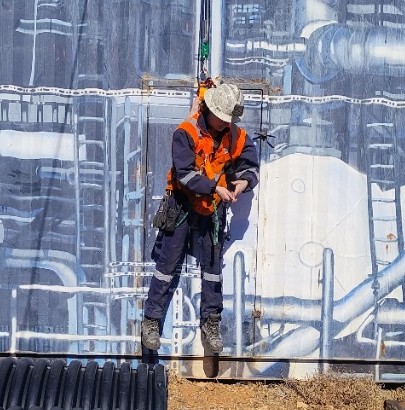
The RIIWHS204E – Work safely at heights course is designed to is designed for participants who need to undertake tasks at height, covering work requirements, equipment access and installation, safe performance of height-related tasks, and site clean‑up. Participants gain both the theoretical knowledge and practical skills required to work safely at heights and will be able to apply safe‑work practices through effective planning, risk assessment, equipment use, and emergency readiness.
The HLTWHS005 – Conduct manual tasks safely course provides core training for safe manual handling in mining, oil and gas, construction, health, and emergency response settings. These industries demand practical safety skills to minimise injury risks and support compliance.
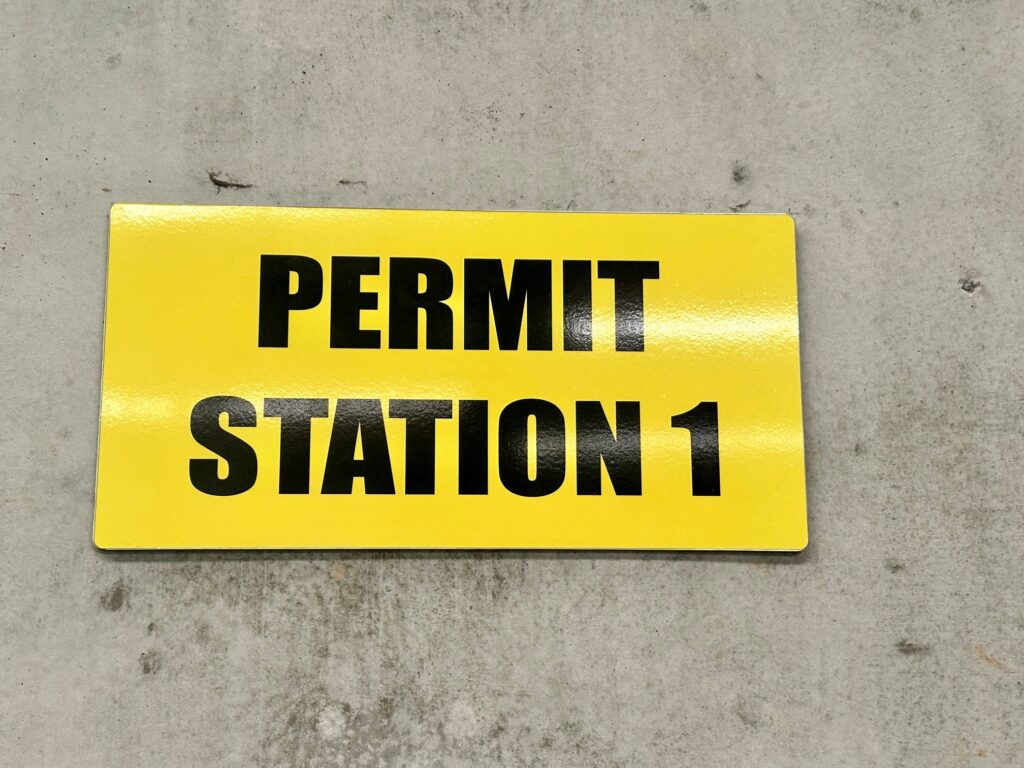
The MSMPER300 – Issue work permits unit builds the skills to confidently issue accurate work permits by assessing job requirements, preparing safe work areas, and verifying that all conditions are met before work begins. Learners gain practical experience monitoring work, responding to changing conditions, and closing permits correctly so organisations can maintain safe, consistent and reliable permit‑to‑work processes.
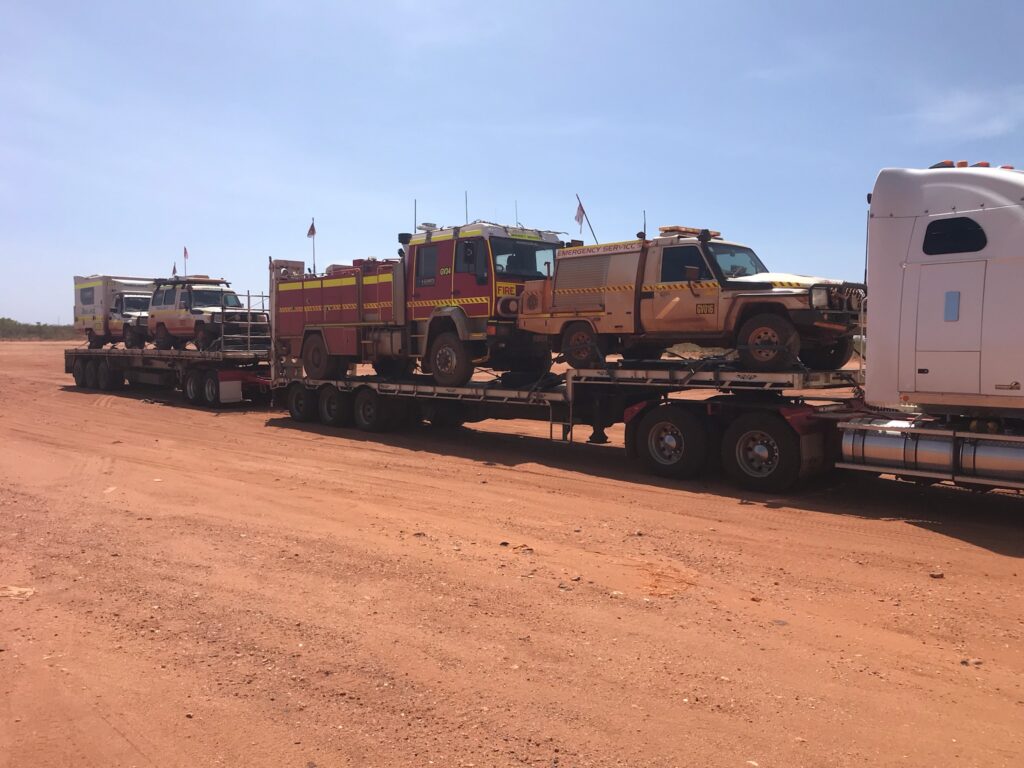
The RIIHAN308 – Load and unload plant unit equips students with the skills and knowledge required to load and unload plant. Prior to performing the task, the skills and knowledge should be attained for the individual plant or by being assisted by someone who has this knowledge.
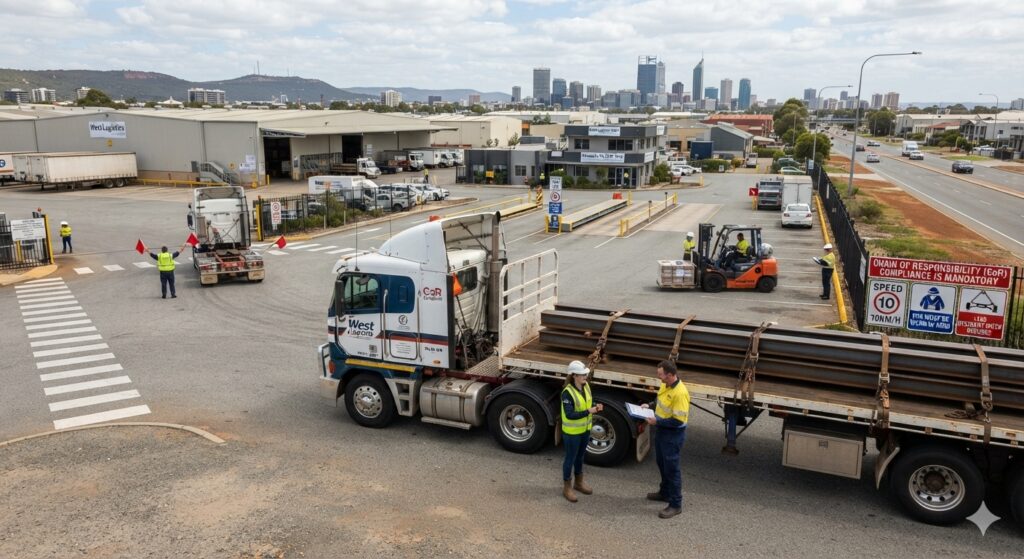
The TLIF0009 – Ensure the safety of transport activities (Chain of Responsibility) unit involves the skills and knowledge required to ensure the safety of transport activities. It includes identifying features and applying chain of responsibility obligation in the Heavy Vehicle National Law (HVNL) or applicable state/territory law and regulations. It also includes identifying and reporting chain of responsibility risks.