Mining - Underground

S26 – Schedule 26 Statutory Supervisor course set is designed to equip aspiring and current supervisors with the necessary knowledge and skills to identify, assess, control and monitor workplace risks in line with WHS legislation and industry standards. This course combination meets the training requirements for many statutory in the Western Australian mining industry. The units delivered are – BSBWHS411 Implement and monitor WHS policies, procedures and programs and RIIRIS402E Carry out the risk management process
The RIIRIS301E – Apply risk management processes course is designed to provide participants with the essential skills and knowledge required to apply risk management processes in the mining, drilling and civil infrastructure industries. It is relevant for individuals working in high-risk environments such as mining, heavy industry and construction.
The PUAFIR210 – Prevent injury unit equips participants with the practical skills to identify workplace hazards, implement risk control measures including the use of PPE, and maintain safety through effective monitoring and reporting within high-risk environments.
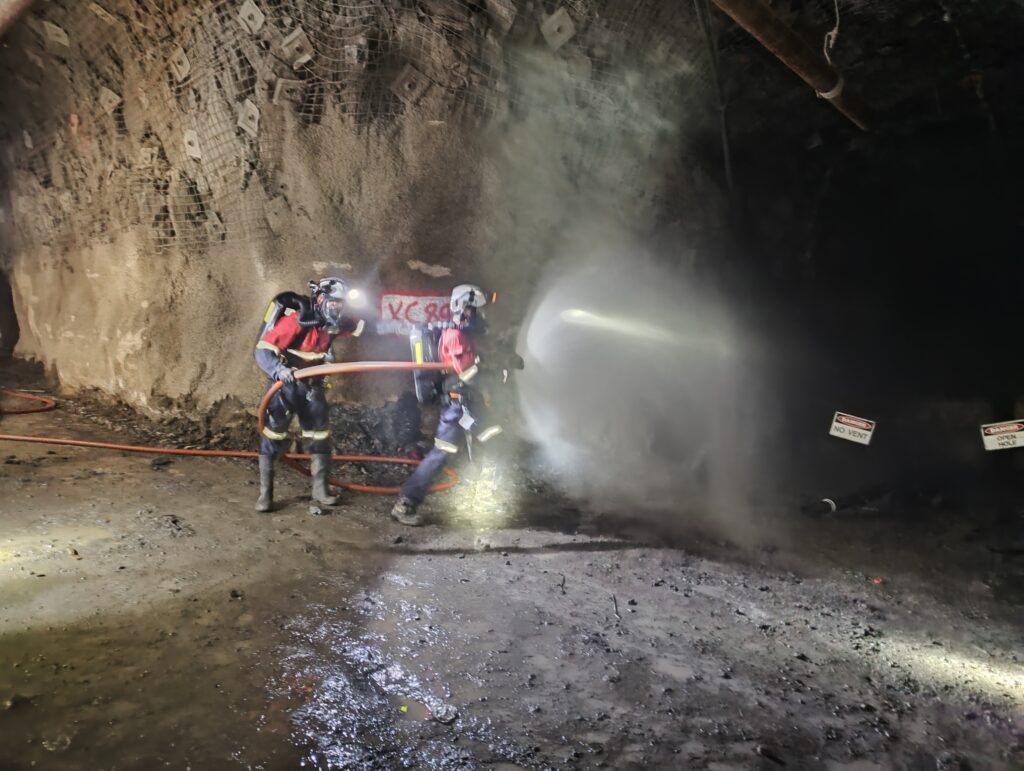
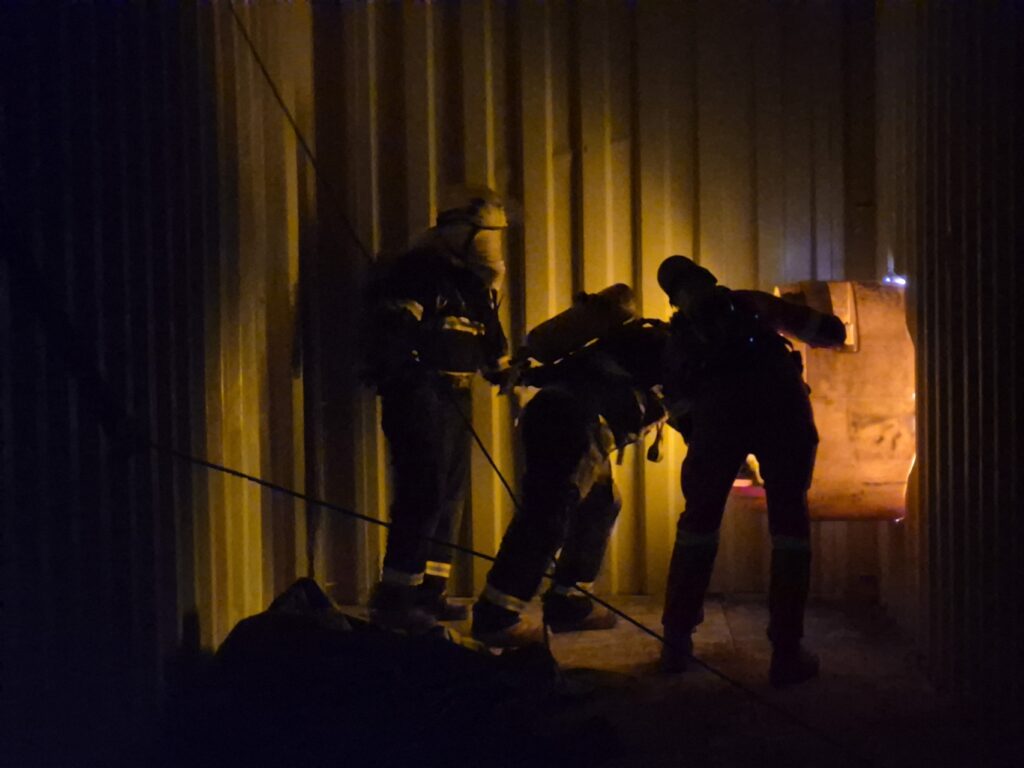
The RIIERR301E – Respond to work site incidents course develops the skills to safely plan, prepare for, and control underground fire events using industry‑approved techniques and equipment. This course builds confidence in assessing hazards, coordinating response actions, and supporting emergency readiness in underground mining environments.
The RIICOM201D – Communicate in the Workplace course provides participants with the essential skills and knowledge required to communicate effectively in operational workplace environments. It is designed for people working in, or preparing to work in, the mining, resources, civil construction, and infrastructure industries, as well as other industries with similar work practices and procedures.
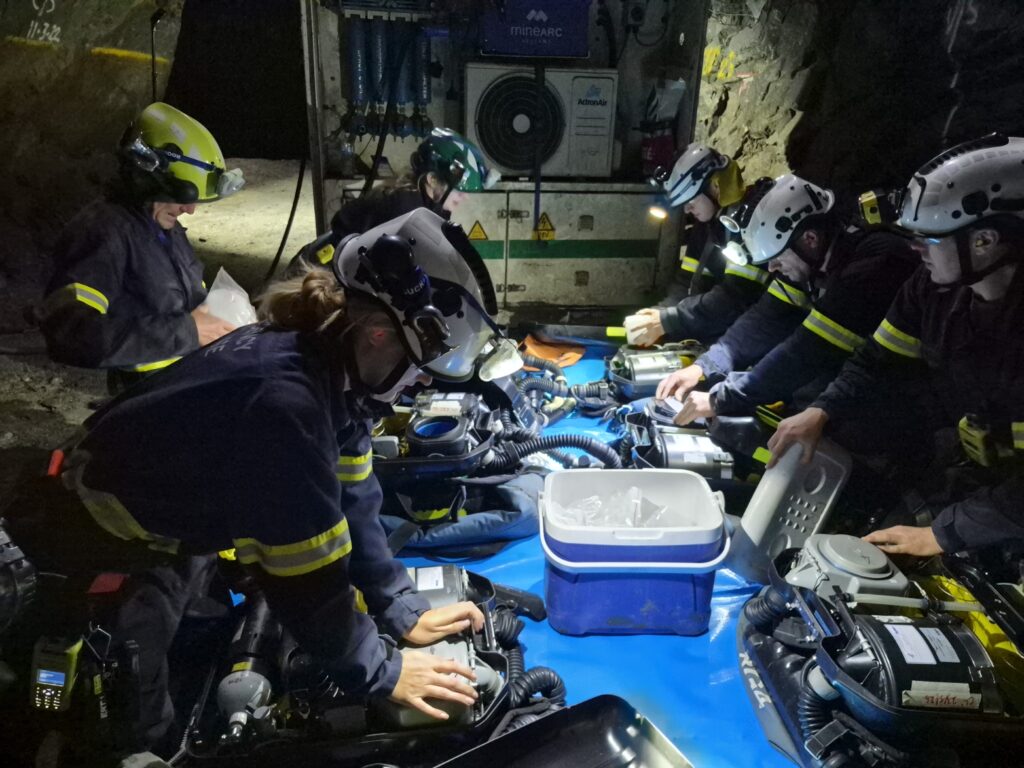
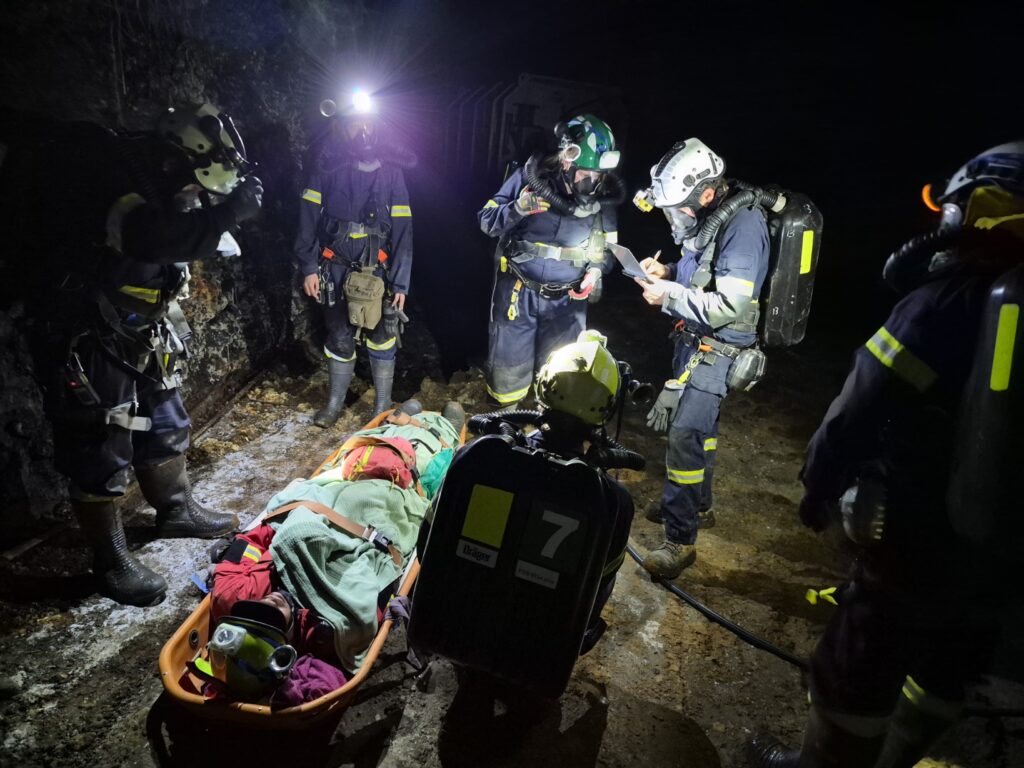
The RIIERR303E – Operate in self-contained regenerative oxygen breathing apparatus course provides the skills & knowledge required to navigate, communicate, and apply safe work processes and procedures using a self-contained regenerative oxygen breathing apparatus in an irrespirable atmosphere in the resources and infrastructure industries.
The PUAFIR207 – Operate breathing apparatus open circuit course involves participants gaining skills and knowledge to select, don, operate and maintain breathing apparatus equipment in a hazardous atmosphere. It is relevant for individuals working in high-risk environments such as mining, heavy industry and construction as well as in firefighting delivery sectors of government and industry. **RMTS includes PUAFIR210 Prevent injury for all enrolled students**
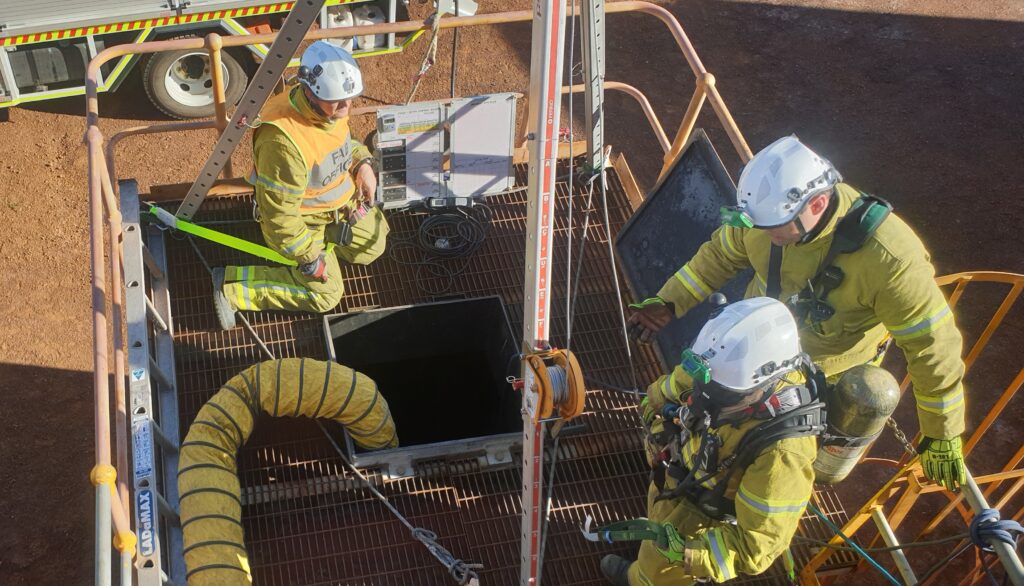
The PUASAR025 – Undertake confined space rescue course is designed to provide participants with the essential skills and knowledge required to respond effectively to emergency incidents in a workplace setting. It is relevant for individuals working in high-risk environments such as mining, heavy industry and construction.
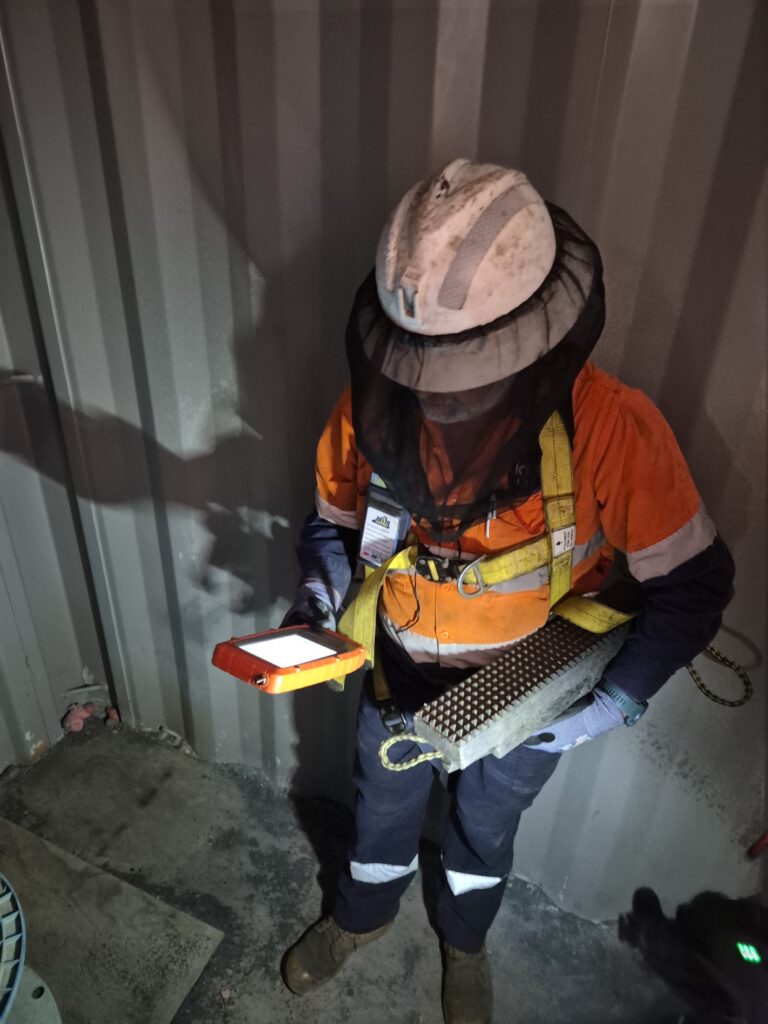
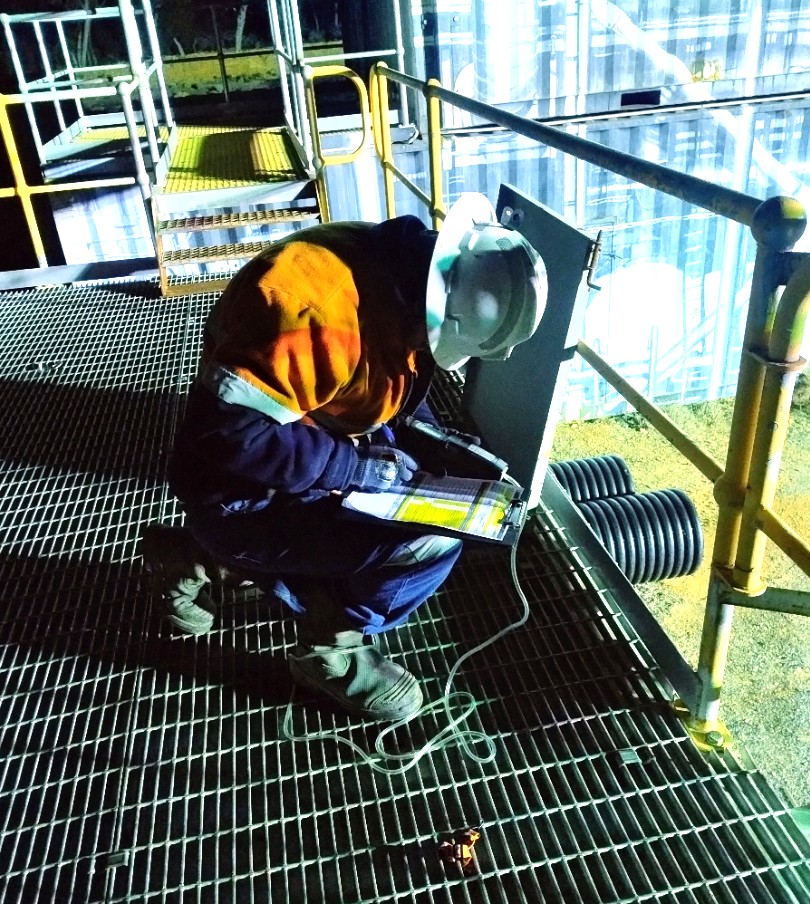
The MSMWHS217 – Gas test atmospheres course is designed to provide participants with the essential skills and knowledge required to test the working atmosphere, using electronic test apparatus, to find out if it is safe for the proposed work.
The RIIWHS401E – Supervise work in confined spaces unit provides students with the skills to safely oversee confined space operations, including hazard identification, risk control and emergency procedures. This unit is ideal for supervisors responsible for coordinating teams, ensuring compliance, and maintaining safe work practices in high‑risk environments.
The RIIERR301E – Respond to work site incidents course is designed to provide participants with the essential skills and knowledge required to respond effectively to emergency incidents in a workplace setting. It is relevant for individuals working in high-risk environments such as mining, heavy industry and construction.
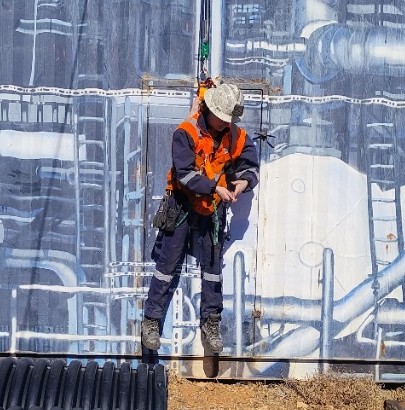
The RIIWHS204E – Work safely at heights course is designed to is designed for participants who need to undertake tasks at height, covering work requirements, equipment access and installation, safe performance of height-related tasks, and site clean‑up. Participants gain both the theoretical knowledge and practical skills required to work safely at heights and will be able to apply safe‑work practices through effective planning, risk assessment, equipment use, and emergency readiness.