NRT-Logo"/

Operational 4WD Response and Vehicle Recovery

Master critical response driving and advanced vehicle recovery in one intensive, safety-focused day.

Duration
1 Day
Cost
$680
Delivery Mode
Accredited

NRT-Logo"/

Operational 4WD Response and Vehicle Recovery overview

The Operational 4WD Response and Vehicle Recovery course combines the nationally accredited courses of FWPCOT3326 – Recover four wheel drive vehicle and PUAVEH001 – Drive vehicles under operational conditions into a program that provides learners with the essential skills, technical knowledge, and practical capabilities to safely operate and recover four-wheel drive vehicles across diverse and challenging operational terrain.

It supports participants in building the advanced skills and confidence necessary to navigate complex off-road environments, manage hazardous scenarios, and execute complex vehicle recoveries under both routine and high-pressure operational conditions. Through a strategic blend of structured theoretical instruction, practical vehicle application, and scenario-based fieldwork, participants gain the ability to prepare vehicles for deployment, identify operational hazards, utilise specialised mechanical recovery equipment, and apply risk-mitigation strategies aligned with stringent organisational procedures and regulatory compliance requirements. This combined course is specifically designed for personnel operating within emergency response, public safety, mining, resource sectors, construction, and other specialised industries where high-risk operational driving and self-sufficient vehicle recovery are core workplace responsibilities.

What you will learn:

  • Vehicle Preparation and Operational Readiness – Conduct systematic pre-operational vehicle checks, evaluate gross vehicle mass (GVM) variables, perform cabin drills, and ensure all systems are optimized for field deployment in accordance with manufacturing and organisational standards.
  • Safe 4WD Operations in Challenging Terrain – Operate four-wheel drive vehicles confidently across unsealed roads and rugged terrain, applying low-risk driving techniques, precise gear selection, and controlled manoeuvers to maintain absolute vehicle stability.
  • Hazard Identification and Environmental Risk Management – Continuously assess changing traffic, track, and terrain conditions to actively mitigate environmental risks, establish safe exclusion zones, and minimise impact on surrounding terrain during field manoeuvres.
  • Advanced Kinetic Vehicle Recovery Techniques – Master the safe selection, configuration, and performance of vehicle-to-vehicle recoveries using rated kinetic ropes, recovery straps, and specialised rigging equipment within their engineering limitations.
  • Mechanical Winch Recovery Operations – Plan and execute complex single-line, double-line, and change-of-direction winch recovery strategies, calculating load estimations using recognised formulas to safely extract bogged vehicles.
  • Operational Decision-Making and Field Communication – Develop rapid, adaptive problem-solving skills under operational pressure while maintaining clear, continuous communication and precise terminology with team members within active recovery zones.
  • WHS/OHS Compliance and Equipment Maintenance – Maintain strict professional accountability by adhering to legislative health and safety obligations, inspecting recovery gear for serviceability, and documenting field maintenance according to workplace protocols.

Learners emerge fully equipped to apply organisational driving procedures, utilise advanced recovery tools safely, and perform effectively in high-risk environments where vehicle control and self-recovery capabilities are critical. This combined unit supports vital capability development across emergency services, mining and resource industries, public safety, and other sectors requiring highly skilled, self-reliant operational personnel.

  • Age – Participants must be a minimum of 18 years old
  • Unique Student Identifier (USI) – All participants must provide a valid USI prior to course commencement, in accordance with national training requirements.
  • Language, Literacy and Numeracy (LLN) – Language, Literacy, Numeracy and Digital needs (LLND) must be assessed before commencing the course you are enrolled for. You need to be confident to interpret safety instructions, complete documentation and communicate directly and using radios to complete the theory and practical components of the course
  • Identification – Official Photo Identification will need to be presented on the day of your course
  • Physical Capacity and Physical Fitness – Students must have sufficient physical fitness and functional capacity to undertake the demands of the practical components of the demonstrations and assessments. These include driving a 4WD vehicle under diverse operational conditions, conducting comprehensive pre-operational vehicle inspections, handling heavy vehicle recovery equipment, deploying kinetic and mechanical winching systems, manual rigging, and establishing safe field exclusion zones
  • Driver Licence – A current & not restricted Australian Open Licence is required to be provided for this course. Your licence must be for at least a Car – C class vehicle. Provisional licence (P plate) holders can enrol – please enquire directly with us. Learners Permit are not valid for this course.


By enrolling, you acknowledge that being under the influence of drugs or alcohol is a breach of safety protocols. In these instances, no refund will be issued, and full course fees will apply for any future re-booking.

The Operational 4WD Response and Vehicle Recovery course is suitable for anyone required to operate and recover four-wheel drive vehicles safely in demanding, remote, or high-pressure workplace environments.

This course is ideal for:

  • Field Personnel – Workers needing self-sufficiency in isolated or rugged terrain.
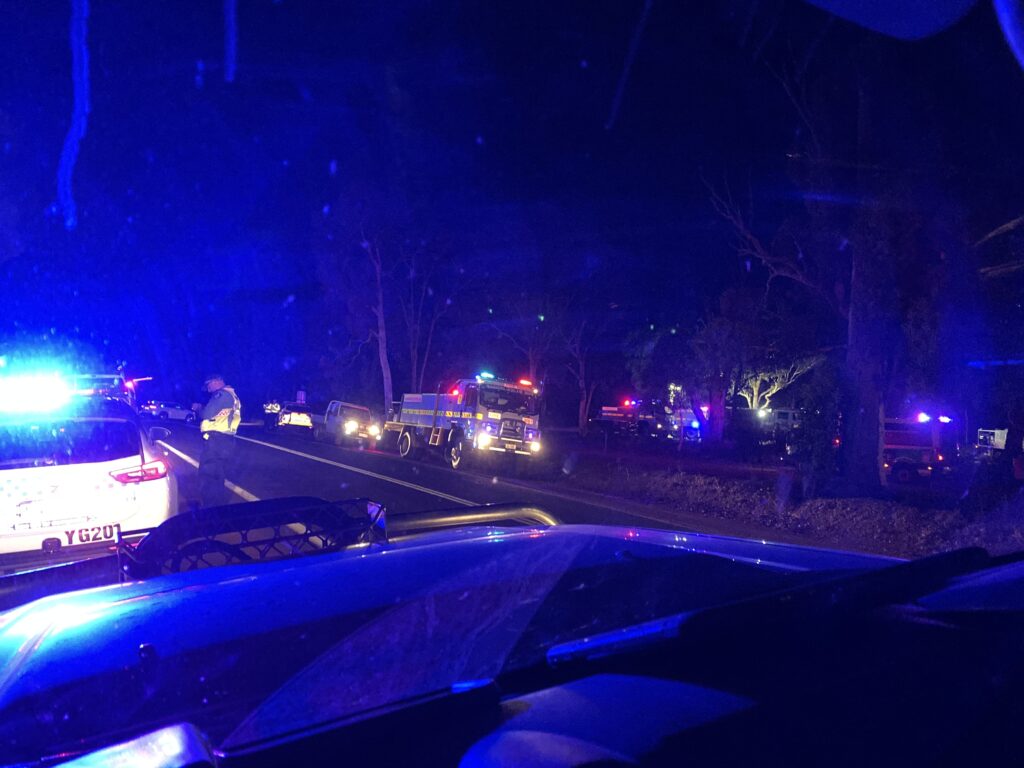
  • Emergency Responders – Personnel navigating unpredictable landscapes under operational pressure.
  • Supervisors and Leaders – Personnel responsible for operational vehicle deployment.
  • Emergency Teams – Mining and resources emergency response personnel.
  • High-Risk Workers – Industrial, resource, and infrastructure field hands.
  • SES Personnel – State Emergency Service coordinators, staff, and volunteers.
  • Safety Officers – Dedicated security and site safety officers.
  • Medical Responders – Health personnel operating in dynamic field environments.
  • Civil Personnel – Construction and infrastructure field workers.
  • Target Organisations – Other entities requiring compliant, operational vehicle use.

Suitable for:

  • Individuals working in operation roles.  The course is applicable for safety and emergency response personnel who are required to operate vehicles both on and off road during safety and rescue operations.
  • Organisations seeking to ensure staff are trained and compliant with safe driving of a vehicle under operational conditions in conjunction with WHS and emergency response requirements, protecting fleet longevity through correct recovery gear utilisation.

Completing the Operational 4WD Response and Vehicle Recovery course provides participants with critical safety and professional competencies valued across multiple industries.

Key benefits include:

  • Operational Safety – Learn to identify environmental hazards, establish safe exclusion zones, and minimize risks during high-pressure driving and complex recovery maneuvers.
  • Technical Competence – Master the correct selection, calculation, and configuration of specialized equipment, including rated kinetic ropes, recovery straps, and mechanical winches.
  • Industry Compliance – Gain nationally recognized skills aligned with current Work Health and Safety (WHS) legislation, organizational procedures, and rigorous training standards.
  • Risk Mitigation – Understand the structural limitations and load capacities of recovery gear to prevent expensive equipment damage, vehicle structural failure, and workplace injuries.
  • Terrain Versatility – Develop the confidence and technical capabilities required to safely navigate, manipulate, and conquer diverse off-road environments, unsealed tracks, and rugged landscapes.
  • Career & Operational Readiness – Build highly sought-after, self-sufficient field skills that increase your value to employers across the mining, emergency services, resource, and construction sectors.

This Operational 4WD Response and Vehicle Recovery training program delivers critical driving and recovery skills highly valued across a wide range of industrial, resource, and public sectors, making it directly applicable to the following industries and job roles

Roles that this unit may be relevant to:

  • Emergency Services Responder / Officer – Navigating and recovering vehicles during critical operational responses.
  • Field Geologist / Exploration Technician – Conducting remote field surveys across unsealed tracks and rugged terrain.
  • Open-Cut Mining Operator – Driving and managing support vehicles within dynamic, high-pressure site environments.
  • Forestry Worker / Harvest Operator – Navigating plantation tracks and performing self-recovery in adverse weather.
  • National Park Ranger / Conservation Officer – Managing land tracts, tracking wildlife, and operating safely in isolated areas.
  • Property Manager / Pastoral Station Hand – Operating heavy 4WD utility vehicles across vast, unmaintained rural properties.
  • Field Service Technician – Accessing remote infrastructure, pipelines, or telecommunication towers for maintenance.
  • Civil Construction Field Hand – Driving utility vehicles on active, undeveloped off-road construction sites.
    These roles commonly require safe vehicle operation in dynamic, high‑risk, or remote environments.

Industry sectors where this unit may be relevant to:

  • Emergency Services & Disaster Response – State emergency services, fire and rescue, and volunteer response units.
  • Mining, Oil & Gas – Exploration, site operations, environmental monitoring, and field maintenance teams.
  • Resource & Forestry Sectors – Commercial forestry operations, timber harvesting, and remote resource management.
  • Agriculture & Pastoral Care – Large-scale farming, livestock management, and rural property operations.
  • Civil Construction & Infrastructure – Remote roadwork, pipeline development, and electrical grid maintenance.
  • Defense & National Security – Support services, logistics, and field operations in remote environments.
  • Telecommunications & Utilities – Remote tower servicing, water infrastructure management, and field surveying.
While this unit provides skills relevant to the roles listed above, completion does not guarantee employment or specific job placement

The Operational 4WD Response and Vehicle Recovery course combines the accredited units of PUAVEH001 Drive vehicles under operational conditions unit and FWPCOT3326 Recover four wheel drive vehicle.

On completing the course, students will be able to

  • Prepare vehicle for operational response
  • Drive the vehicle
  • Monitor traffic, road and terrain under operational conditions
  • Identify loads, ratings and equipment serviceability related to four wheel drive vehicle recovery
  • Plan recovery
  • Perform kinetic rope or strap recovery
  • Perform winch recovery
  • Use other recovery tools and equipment
  • Maintain vehicle recovery equipment

This course includes the following nationally recognised unit(s) of competency:

  • PUAVEH001 Drive vehicles under operational conditions
  • FWPCOT3326 Recover four wheel drive vehicle

National Training Register – PUAVEH001 Drive vehicles under operational conditions is a stand-alone unit of competency, accredited under the Australian Qualifications Framework (AQF).

National Training Register – FWPCOT3326 Recover four wheel drive vehicle is a stand-alone unit of competency, accredited under the Australian Qualifications Framework (AQF).


Unit CodeUnit Name
PUAVEH001 Drive vehicles under operational conditions
FWPCOT3326 Recover four wheel drive vehicle
  • Participants will need sufficient English skills to interpret safety instructions, complete documentation and communicate during classroom and practical demonstrations and assessments.
  • A pre-course LLND assessment ensures you have the reading, writing, numeracy and communication skills needed to successfully complete the course.
  • Digital Literacy – you will require digital technology proficiency sufficient to use and navigate various forms of digital and electronic tools, platforms and technology to communicate and demonstrate understanding of course information and skills.

There are no prerequisites for this course


The following methods will be used to assess competency for our Operational 4WD Response and Vehicle Recovery course:

  • Assessor Checklists
  • Theoretical Assessments including short answer and multi-choice questions
  • Individual and team based practical and scenario assessments

The Operational 4WD Response and Vehicle Recovery course contains these accredited units:

  • PUAVEH001 – Drive vehicles under operational conditions
  • FWPCOT3326 – Recover four wheel drive vehicle  

Successful participants will receive a Statement of Attainment for National Training Register – PUAVEH001 Drive vehicles under operational conditions and National Training Register – FWPCOT3326 Recover four wheel drive vehicle issued by an Australian Registered Training Organisation (RTO) upon demonstrating competency in all assessment requirements.

Training and Assessment delivered under the auspices and in partnership arrangement on behalf of Health Security & Education Pty Ltd, RTO 4090 – National Training Register – 40907 Health Security & Education Pty Ltd as trustee for Health Security & Education Unit Trust


Personal Protective Equipment (PPE) and training materials will be provided on the day of your course.

Our Forrestdale Training Facility has a compact kitchen area with an automated tea/coffee machine.

  • A fridge and microwave are provided for participants to store and heat their own snacks/meals.
  • A vending machine is stocked with quick snacks, healthy options and bottled/canned drinks.
  • Alternatively, there are a variety of food outlets and cafes close by. We recommend purchasing before your course starts as businesses may change advertised operating hours without notice.
Please bring your own water bottle – we have a cold-water unit for refills.

Courses include practical demonstrations and assessments that all participants are required to be involved in.

All participants are required to wear:

  • Long pants
  • Long sleeved shirts
  • Steel cap safety boots or fully enclosed shoes/boots/sneakers.  Slip on shoes are not suitable for driving demonstrations or assessments.
  • Prescription glasses if worn

We also encourage you to dress accordingly for weather conditions and suggest the following items:

  • Hat
  • Sunglasses
  • Additional clothing to keep dry/warm if raining or windy

To ensure the safety of all participants and maintain the integrity of our assessment processes, all students must be fit to participate in practical training and assessment activities. These requirements reflect industry safety expectations, including those used in mining and high‑risk environments.

Our fitness‑for‑assessment procedure includes:

  • Self‑Declaration: By enrolling and attending, you confirm you are not under the influence of alcohol or illicit drugs.
  • Medication Disclosure: If you are taking medication that may cause drowsiness or impair your physical or cognitive abilities, you must advise your assessor so that reasonable adjustments or rescheduling can be considered.
  • Impairment Screening: Trainers may conduct impairment checks, including breathalyser (BAC) and drug screening, to ensure a safe training environment.
  • Removal for Safety: If a participant is assessed as unfit to safely participate, they will be removed from the session and rescheduled in accordance with our refund and rebooking policy.
  • Refund Conditions: Attending under the influence of drugs or alcohol is a breach of safety protocols. In such cases, no refund will be issued, and full course fees will apply for rebooking.

On the day of your course, you will be required to provide official photo identification on arrival at our Forrestdale Training Centre or other training locations.

• Official photo identification includes Driver Licence, Passport or Australian State or Territory issued Photo Card.

Expired identification will not be accepted.


DRIVING COURSES:  
  • Driver Licence – A current & not restricted Australian Open or Provisional licence is required to be provided for this course. Your licence must be for at least a Car – C class vehicle.
  • Digital Licences – can be produced however it must be through the issuing state app and be online (screenshots or offline versions will not be accepted).
  • Learners Permit – are not valid for driving courses
  • International licences – are not valid for driving courses
Failure to produce your licence will mean you will not be able to complete the course, and you will not be refunded your course fees.
All licences are verified by RMTS through online checks on the day of the course.

To safely participate in the Operational 4WD Response and Vehicle Recovery course, students require a level of physical capacity that enables them to safely operate a four-wheel drive vehicle across challenging terrain and physically handle heavy mechanical recovery equipment under operational conditions.

Students should be able to:

  • Drive Safely – Maintain vehicle control while driving for extended periods across rugged, uneven, and unsealed off-road surfaces.
  • Inspect Vehicles – Bend, kneel, and reach to perform thorough, systematic pre-operational vehicle checks and underbody inspections.
  • Lift Equipment – Lift, carry, and maneuver heavy recovery gear, including rated steel cables, synthetic winching ropes, and recovery tracks.
  • Rig Machinery – Apply manual strength and dexterity to connect heavy shackles, wrap tree trunk protectors, and anchor recovery points.
  • Walk Terrain – Traverse uneven, steep, muddy, or sandy surfaces on foot to survey tracks, identify hazards, and establish safe paths.
  • Exert Force – Pull out heavy winching cables manually and secure tensioned rigging setups under varying field conditions.
  • Stand Outdoors – Remain standing and active in exposed outdoor environments during prolonged practical training and assessment scenarios.
  • Communicate Clearly – Maintain clear verbal communication and use precise physical hand signals over distance in loud operational zones.
If a student has concerns about meeting these requirements, we encourage them to contact us before enrolling so we can discuss reasonable adjustments or alternative pathways where appropriate.
  • We will capture training, demonstrations and assessment by taking photographs or video or sound recordings.
  • We will include in our enrollment package to you a photographic/media consent form which details the collection and use of your personal image in any way by Risk Management Training Solutions Pty Ltd (RMTS) for print and digital communications, publications, productions or presentations as well as for identification purposes and as evidence of participation and assessment activity.
  • Your completed consent form will be placed on file and retained by RMTS.  We will also advise you in this form on how you can withdraw your consent.
  • Delivered over 1 day.

Exact daily schedules—including start and finish times, break periods, and assessment windows—will be provided upon completion of enrolment, allowing us to tailor information to your specific training group and location.

RMTS trainers and assessors deliver a blend of supervised learning, theoretical assessment activities, and realistic scenario‑based training to ensure learners can confidently apply their skills in real‑world environments. Each training day is structured to balance knowledge development with hands‑on practice, including multiple opportunities to participate in realistic simulations and skill‑building exercises.

This course is delivered to provide realistic, industry-specific learning environments.  See our locations below:

  • Forrestdale office
  • On site
  • In your workplace/office

RMTS can deliver many of our courses at your nominated site or in your workplace.

Why send staff off‑site when RMTS can deliver high‑impact training right at your location?

Contact us to tailor a site-specific program and create a delivery plan built specifically for your operational needs.

Experience dynamic learning at Forrestdale, Perth with great facilities in a great location

The cost of the Operational 4WD Response and Vehicle Recovery course reflects the high level of industry expertise, resources, and workplace-based training provided.

TitleFee
Full Fee1 $680
Location Please request course fees for your workplace or onsite delivery
  • RMTS Fee Policy - Full fees are payable upfront to secure your enrolment
  • Corporate Bookings - We are able to provide an invoice upon receipt of your purchase order
  • Location - Fees displayed are applicable to training conducted at our Forrestdale Training Facility only

What's next?

Enrolling in our courses is now easier than ever, thanks to our online enrolment process. Simply click on the button below, and you’ll be taken to our online enrolment form, where you can provide all the necessary information and complete your enrolment in just a few easy steps. Our online enrolment process is convenient, secure, and available 24/7, ensuring that you can enrol at a time that suits you. Don’t let distance or time constraints hold you back from achieving your career goals. Enrol online today and take the next step in your professional journey.

Available Intakes

For information regarding enrolment, please submit an enquiry

There are currently no dates scheduled for this course. Please contact us here for more information.

Have some questions?

If you have any questions related to the Operational 4WD Response and Vehicle Recovery please contact us here
Related Courses

The RIIWHS201D – Work Safely and Follow WHS Policies and Procedures unit provides the skills and knowledge required to work safely and follow work health and safety (WHS) policies and procedures in the resources and infrastructure industries. Participants will learn how to identify potential hazards, follow safe work practices and implement risk control measures in accordance with WHS legislation.
The PUASAR025 – Undertake confined space rescue course is designed to provide participants with the essential skills and knowledge required to respond effectively to emergency incidents in a workplace setting. It is relevant for individuals working in high-risk environments such as mining, heavy industry and construction.
The PUASAR032 – Undertake vertical rescue course is designed to provide participants with the skills and knowledge required to perform vertical rescues in emergency situations. The unit includes a variety of vertical rescue situations, how to prepare, assess and respond to rescue scenes as well as establishing vertical rescue systems and performing in and terminating rescues. The unit is applicable to personnel in emergency services, volunteer and associated industries involving rescue situations.
The RIIERR301E – Respond to work site incidents course is designed to provide participants with the essential skills and knowledge required to respond effectively to emergency incidents in a workplace setting. It is relevant for individuals working in high-risk environments such as mining, heavy industry and construction.
The RIIERR301E – Respond to work site incidents course develops the skills to safely plan, prepare for, and control underground fire events using industry‑approved techniques and equipment. This course builds confidence in assessing hazards, coordinating response actions, and supporting emergency readiness in underground mining environments.
The MSMWHS217 – Gas test atmospheres course is designed to provide participants with the essential skills and knowledge required to test the working atmosphere, using electronic test apparatus, to find out if it is safe for the proposed work.
The RIIWHS204E – Work safely at heights course is designed to is designed for participants who need to undertake tasks at height, covering work requirements, equipment access and installation, safe performance of height-related tasks, and site clean‑up. Participants gain both the theoretical knowledge and practical skills required to work safely at heights and will be able to apply safe‑work practices through effective planning, risk assessment, equipment use, and emergency readiness.
The PUAFER005 – Operate as part of an emergency control organisation course equips participants with the skills and knowledge required to operate confidently and effectively as a member of a facility’s Emergency Control Organisation (ECO). The course focuses on the command, control, and coordination functions essential to maintaining occupant safety during emergencies.
The PUAFER008 – Confine small emergencies in a facility course unit focuses on the skills and knowledge required to confine small workplace emergencies, such as small fires or chemical spills, using initial-response equipment. It emphasizes the importance of assessing the situation safely and following established emergency procedures to protect life and property before emergency services arrive.