NRT-Logo"/

MSMWHS217 - Gas test atmospheres

Learn how to ensure safe entry by detecting hazardous atmospheric conditions before commencing work

Duration
Half Day (minimum 4 hours)
Cost
$250
Delivery Mode
Accredited

NRT-Logo"/

MSMWHS217 - Gas test atmospheres overview

The MSMWHS217 – Gas test atmospheres course provides the essential skills and knowledge needed to safely monitor atmospheric conditions in high-risk workplaces. This training is a vital requirement for industries like mining, oil and gas, and construction, where the presence of hazardous gases or oxygen-deficient air poses a significant safety risk. By mastering these techniques, you ensure that work environments remain breathable and compliant with stringent safety standards.

What you will learn:

  • Atmospheric Monitoring – Identify and test for toxic, flammable, or oxygen-deficient environments using specialised equipment.
  • Device Operation – Learn the correct calibration and functional testing of gas detection instruments to ensure accurate readings.
  • Data Interpretation – Analyse monitoring results to determine if an area is safe or requires specific control measures.
  • Hazard Management – Establish safe work zones and implement risk-based approaches to maintain workplace safety.
  • Emergency Procedures – Develop clear communication protocols and response actions for when unsafe gas levels are detected.

By completing this training, you gain the confidence to perform critical safety tasks in challenging environments. These practical skills allow you to protect your colleagues from invisible threats and play a proactive role in incident prevention. Whether you are supporting an emergency team or overseeing a confined space entry, this expertise is foundational to maintaining a secure and professional workplace.

  • Age: Minimum of 18 years old
  • Language, Literacy, Numeracy and Digital needs (LLND) must be assessed before commencing the course you are enrolled for. You need to be confident to interpret safety instructions, complete documentation and communicate directly and using radios.
  • Unique Student Identifier (USI): A valid USI must be provided prior to course commencement
  • Identification: Official Photo Identification will need to be presented on the day of your course

The MSMWHS217 – Gas test atmospheres course is for anyone who may be required to test an atmosphere before entering or working in a potentially hazardous space

This course is ideal for: 

  • Fire and emergency service personnel
  • Industrial and mine rescue teams
  • Confined space workers and safety observers
  • Security, correctional, and emergency response officers
  • Hazardous materials (HAZMAT) handlers
  • Marine and aviation emergency staff
  • Manufacturing, construction, and utility workers operating in confined or contaminated areas

Suitable for:

  • Individuals working in operational roles, working alone or in teams or groups that have responsibility for the safety of others
  • Organisations seeking to ensure staff are trained and compliant with WHS and emergency response requirements

Completing the MSMWHS217 – Gas test atmospheres course provides participants with critical safety and professional competencies valued across multiple industries.

Key benefits include:

  • Improved Safety Awareness – Learn skills to test & monitor atmospheric conditions, ensuring a safe working environment.
  • National Recognition – Gain a Statement of Attainment recognised under the Australian Qualifications Framework (AQF).
  • Regulatory Compliance – Meet WHS, emergency response, and industry-specific safety requirements.
  • Practical Experience – Train with industry-standard equipment in realistic scenarios to build confidence and proficiency.
  • Career Progression – Enhance employability in roles that require atmospheric monitoring, such as confined space entry and hazardous materials handling.
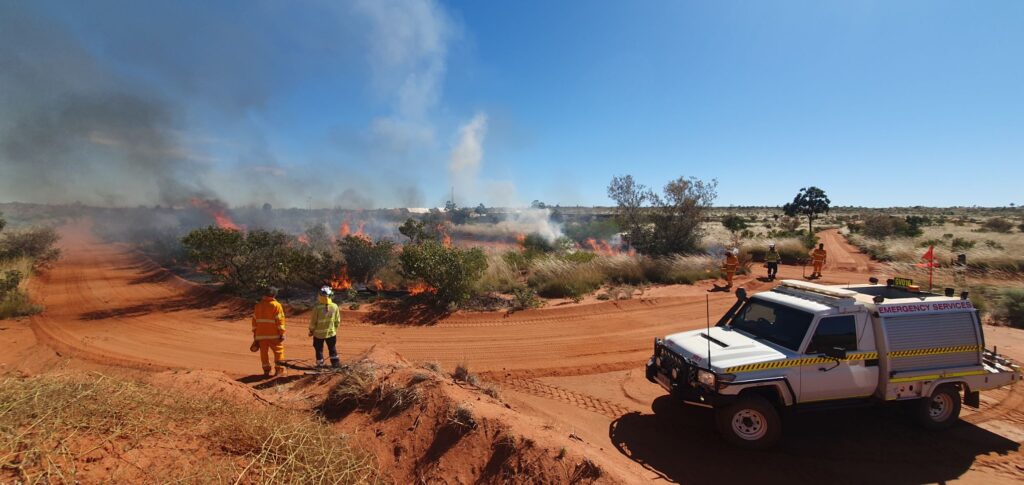
  • Emergency Readiness – Be prepared to conduct gas testing to respond effectively to incidents involving fire, gas leaks, or in confined spaces.

The MSMWHS217 – Gas test atmospheres unit provides foundational skills for roles requiring environmental safety, serving as a gateway to technical, supervisory, and emergency response pathways.

Roles that this unit may be relevant to:

  • Drillers
  • Maintenance fitters and mechanics
  • Mining supervisors and safety personnel
  • Confined space Sentry
  • Industrial maintenance or safety technician
  • Emergency response team member

Industry sectors where this unit may be relevant:

  • Fire and emergency services
  • Mining and resources
  • Oil, gas, and petrochemical industries
  • Construction and engineering
  • Manufacturing and processing plants
While this unit provides skills relevant to the roles listed above, completion does not guarantee employment or specific job placement

On completing MSMWHS217 – Gas test atmospheres, students will be able to:

  • Prepare for gas testing
  • Test gas
  • Maintain equipment

This course includes the following nationally recognised unit(s) of competency:

MSMWHS217 – Gas test atmospheres is a standalone unit of competency, accredited under the Australian Qualifications Framework (AQF).

It may be delivered individually or as part of a qualification or skill set.

Unit CodeUnit Name
MSMWHS217 Gas test atmospheres
  • Participants will need sufficient English skills to interpret safety instructions, complete documentation and communicate during classroom and practical demonstrations and assessments.
  • A pre-course LLND assessment ensures you have the reading, writing, numeracy and communication skills needed to successfully complete the course.
  • Digital Literacy – you will require digital technology proficiency sufficient to use and navigate various forms of digital and electronic tools, platforms and technology to communicate and demonstrate understanding of course information and skills.

There are no prerequisites for this unit

The following methods will be used to assess competency for MSMWHS217 – Gas test atmospheres:

  • Assessor Checklists
  • Theoretical Assessments including short answer and multi-choice questions
  • Individual and team based practical and scenario assessments

The MSMWHS217 – Gas test atmospheres unit is a nationally recognised competency, accredited under the Australian Qualifications Framework (AQF).

Successful participants will receive a Statement of Attainment for National Training Register – MSMWHS217 Gas test atmospheres issued by an Australian Registered Training Organisation (RTO) upon demonstrating competency in all assessment requirements.

Personal Protective Equipment (PPE) and training materials will be provided on the day of your course.

Our Forrestdale Training Facility has a compact kitchen area with an automated tea/coffee machine.
• A fridge and microwave are provided for participants to store and heat their own snacks/meals.
• A vending machine is stocked with quick snacks, healthy options and bottle/canned drinks.
• Alternatively, there are a variety of food outlets and cafes close by. We recommend purchasing before your course starts as business may change advertised operating hours without notice.

Please bring your own water bottle – we have a cold-water unit for refills.

Courses include practical demonstrations and assessments that all participants are required to be involved in.

All participants are required to wear:
• Long pants
• Long sleeved shirts
• Steel cap safety boots
• Prescription glasses if worn.

We also encourage you to dress accordingly for weather conditions and suggest the following items:
• Hat
• Sunglasses
• Additional clothing to keep dry/warm if raining or windy

On the day of your course, you will be required to provide official photo identification on arrival at our Forrestdale Training Centre or other training locations.

• Official photo identification includes Driver Licence, Passport or Australian State or Territory issued Photo Card.

Expired identification will not be accepted.

The MSMWHS217 Gas test atmospheres unit primarily focuses on the technical operation of gas testing equipment, a baseline level of physical capacity is required to meet the demands of practical assessments.

Students should be able to:
• Move comfortably within simulated industrial environments, which may involve walking, bending, or climbing ladders to access testing points.
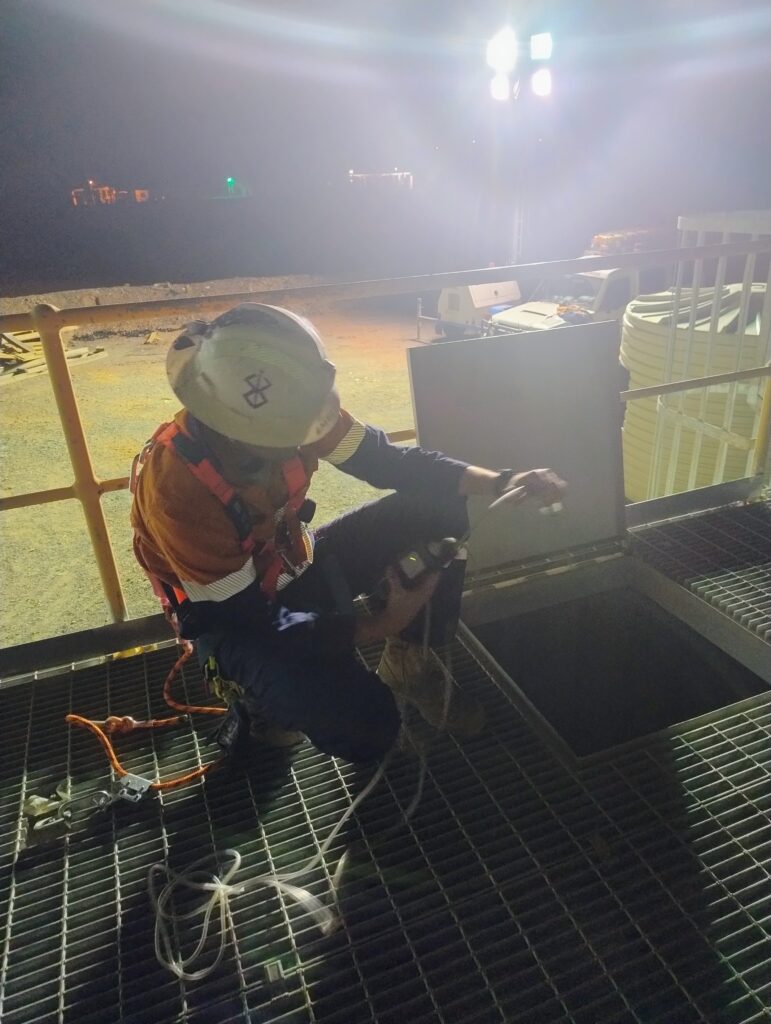
• Able to carry, handle, and operate gas detection instruments, which may include lowering devices into spaces like pits or shafts on a line.
• Have the ability to clearly read digital displays, interpret calibration markings, and identify warning lights or audible alarms on monitoring equipment.

  • We will capture training, demonstrations and assessment by taking photographs or video or sound recordings.
  • We will include in our enrolment package to you a photographic/media consent form which details the collection and use of your personal image in any way by Risk Management Training Solutions Pty Ltd (RMTS) for print and digital communications, publications, productions or presentations as well as for identification purposes and as evidence of participation and assessment activity.
  • Your completed consent form will be placed on file and retained by RMTS. We will also advise you in this form on how you can withdraw your consent.
  • Delivered over half day (minimum 4 hours) session.

Exact daily schedules—including start and finish times, break periods, and assessment windows—will be provided upon completion of enrolment, allowing us to tailor information to your specific training group and location.

RMTS trainers and assessors deliver a blend of supervised learning, theoretical assessment activities, and realistic scenario‑based training to ensure learners can confidently apply their skills in real‑world environments. Each training day is structured to balance knowledge development with hands‑on practice, including multiple opportunities to participate in realistic simulations and skill‑building exercises.

This course is delivered at a range of workplaces and training sites to provide realistic, industry-specific learning environments.  See our locations below:

  • Forrestdale office
  • On site
  • In your workplace/office

RMTS can deliver many of our courses at your nominated site or in your workplace.

Why send staff off‑site when RMTS can deliver high‑impact training right at your location?

Contact us to tailor a site-specific program and create a delivery plan built specifically for your operational needs.

Experience dynamic learning at Forrestdale, Perth with great facilities in a great location

The cost of the MSMWHS217 – Gas test atmospheres unit reflects the high level of industry expertise, resources, and workplace-based training provided.

TitleFee
Full Fee1 $250
Location Please request course fees for your workplace or onsite delivery
  • RMTS Fee Policy - Full fees are payable upfront to secure your enrolment
  • Corporate Bookings - We are able to provide an invoice upon receipt of your purchase order
  • Location - Fees displayed are applicable to training conducted at our Forrestdale Training Facility only

What's next?

Enrolling in our courses is now easier than ever, thanks to our online enrolment process. Simply click on the button below, and you’ll be taken to our online enrolment form, where you can provide all the necessary information and complete your enrolment in just a few easy steps. Our online enrolment process is convenient, secure, and available 24/7, ensuring that you can enrol at a time that suits you. Don’t let distance or time constraints hold you back from achieving your career goals. Enrol online today and take the next step in your professional journey.

Available Intakes

There are currently no dates scheduled for this course. Please contact us here for more information.

Have some questions?

If you have any questions related to the MSMWHS217 – Gas test atmospheres please contact us here
Related Courses

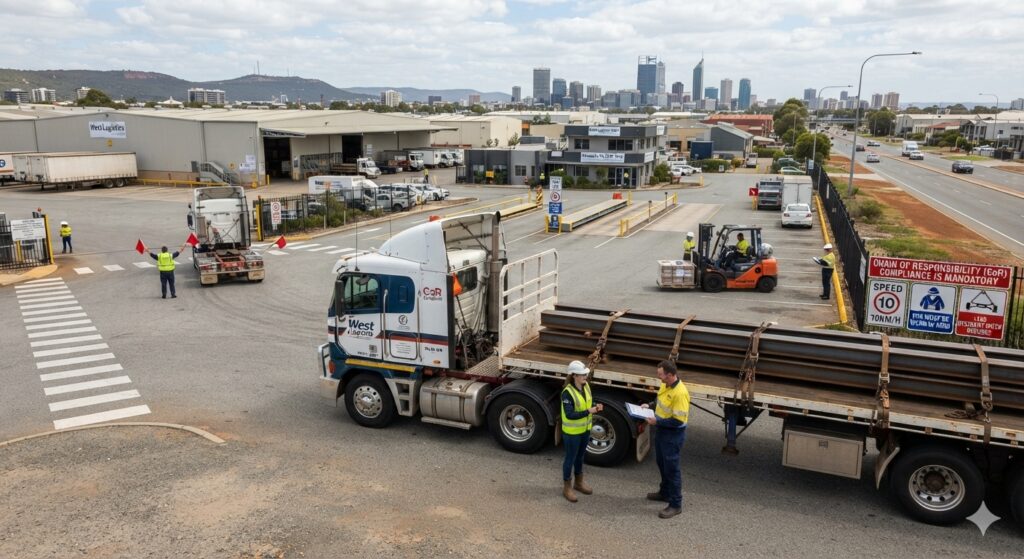
The TLIF0009 – Ensure the safety of transport activities (Chain of Responsibility) unit involves the skills and knowledge required to ensure the safety of transport activities. It includes identifying features and applying chain of responsibility obligation in the Heavy Vehicle National Law (HVNL) or applicable state/territory law and regulations. It also includes identifying and reporting chain of responsibility risks.
The RIIHAN308 – Load and unload plant unit equips students with the skills and knowledge required to load and unload plant. Prior to performing the task, the skills and knowledge should be attained for the individual plant or by being assisted by someone who has this knowledge.
HLTPAT010 – Collect specimens for drugs of abuse testing unit equips learners with the skills and knowledge required to confirm collection requirements, prepare individual and equipment and collect specimens via urine and/or oral and breath testing following the special procedures that apply for drugs of abuse testing. The skills in this unit must be applied in accordance with current Commonwealth and State/Territory legislation, Australian/New Zealand standards and industry codes of practice.
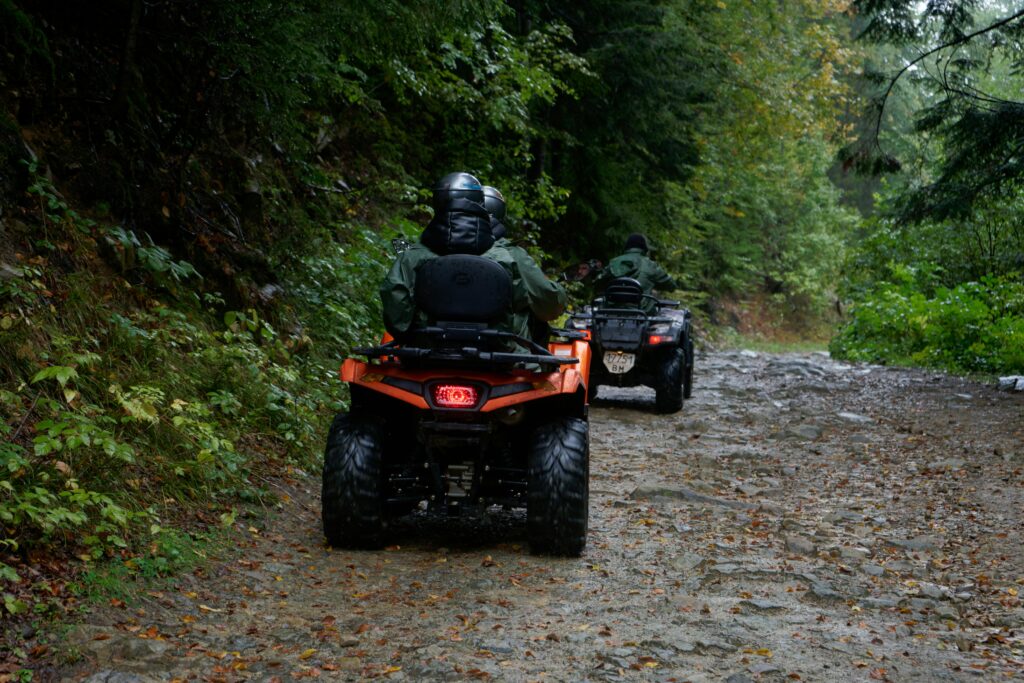
The AHCMOM217 – Operate quad bikes unit builds the essential skills to safely operate quad bikes across a range of terrains and workplace conditions. This practical course prepares you to complete pre-start checks, manage hazards, use safety features correctly, and operate with confidence under supervision.
Operational 4WD Response and Vehicle Recovery – an intensive program combining two nationally accredited units: FWPCOT3326 – Recover four wheel drive vehicle and PUAVEH001 – Drive vehicles under operational conditions, into one safety-focused day of training. Purpose-built for high-pressure environments, this course bridges the gap between complex off-road navigation and advanced asset recovery in challenging operational conditions.
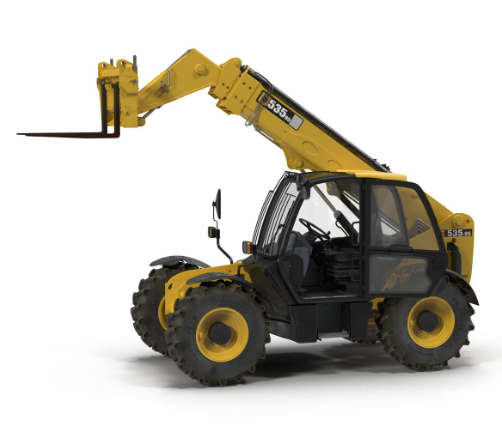
RIIHAN309F – Conduct telescopic materials handler operations unit provides participants with the skills and knowledge required to safely and effectively conduct telescopic materials handler operations in site‑based environments. The course introduces participants to the operational principles, compliance requirements, and workplace procedures that underpin safe use of telescopic handlers across civil infrastructure, mining, drilling, and extractive industry settings.
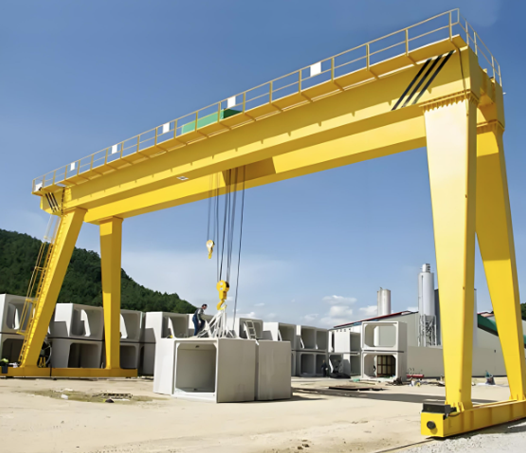
RIIHAN305D – Operate a gantry or overhead crane unit equips participants with the skills and knowledge required to safely and effectively operate a gantry or overhead crane in a range of site‑based environments. The course introduces participants to the operational principles, compliance requirements, and workplace procedures that underpin safe crane operations across the resources, infrastructure, and construction sectors.
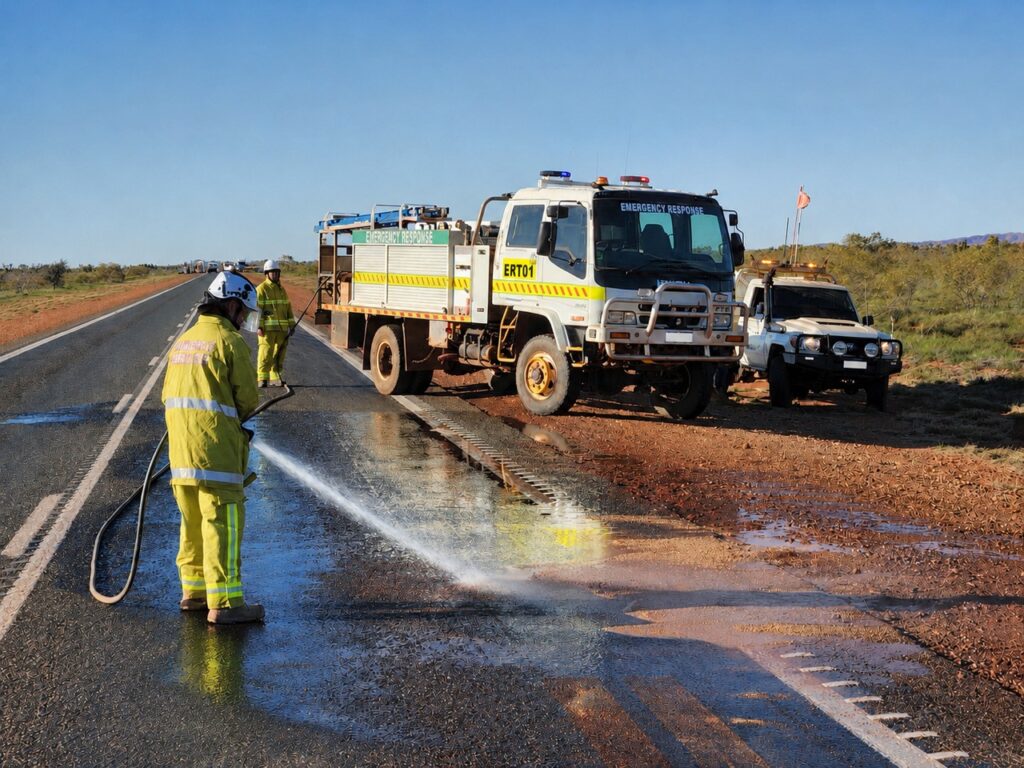
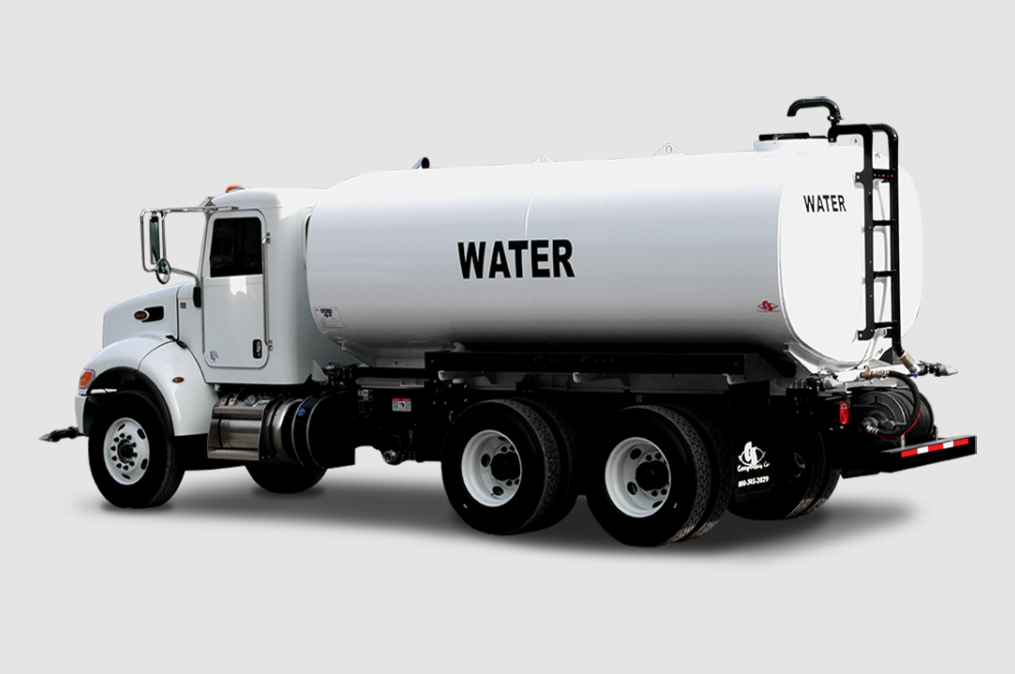
RIIMPO326E – Conduct water vehicle operations unit equips learners with the skills and knowledge required to safely load, haul, and distribute water using a water vehicle across civil infrastructure, mining, and extractive industry environments. The course introduces participants to the operational principles, compliance obligations, and workplace procedures that underpin safe water cart operations.