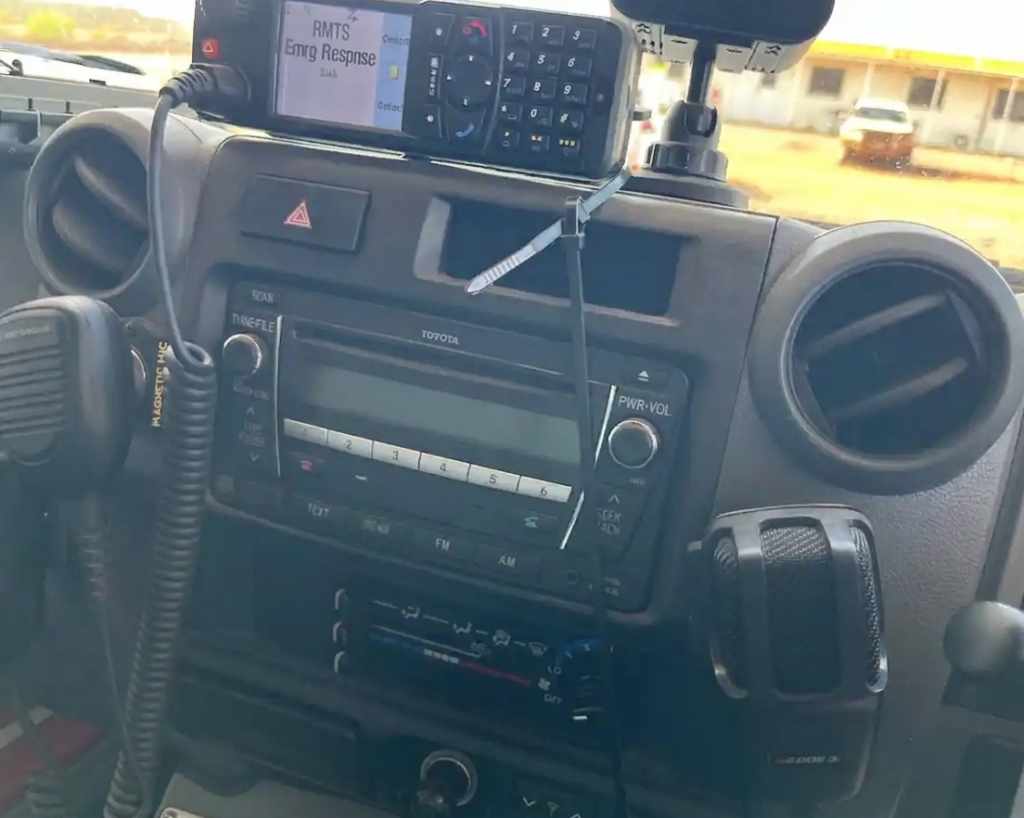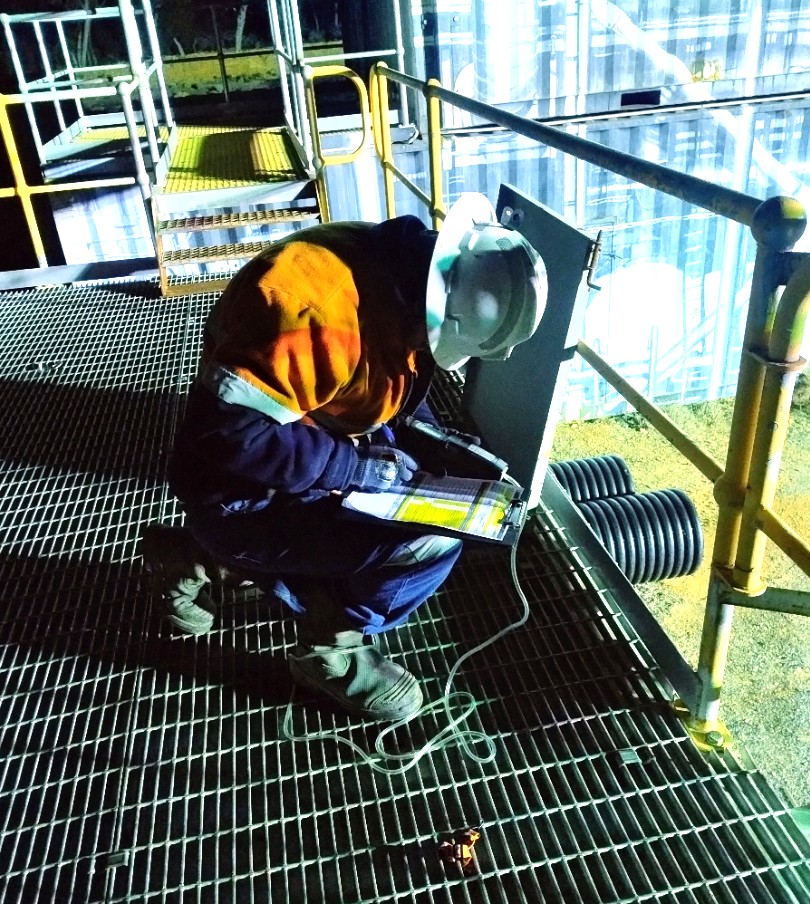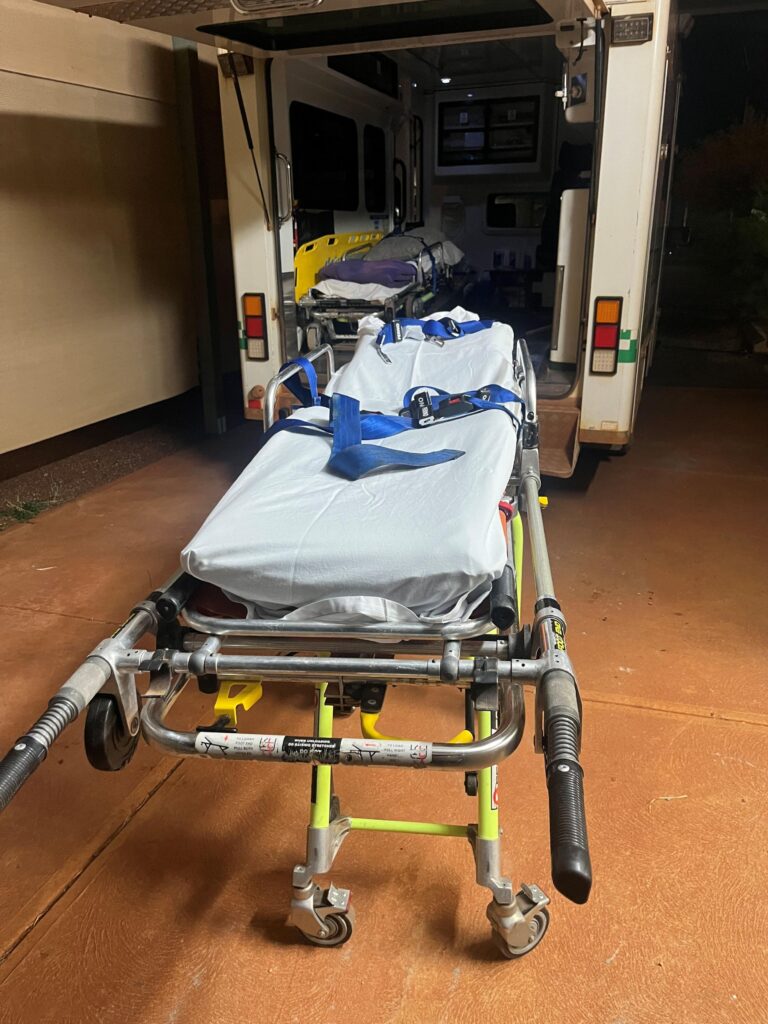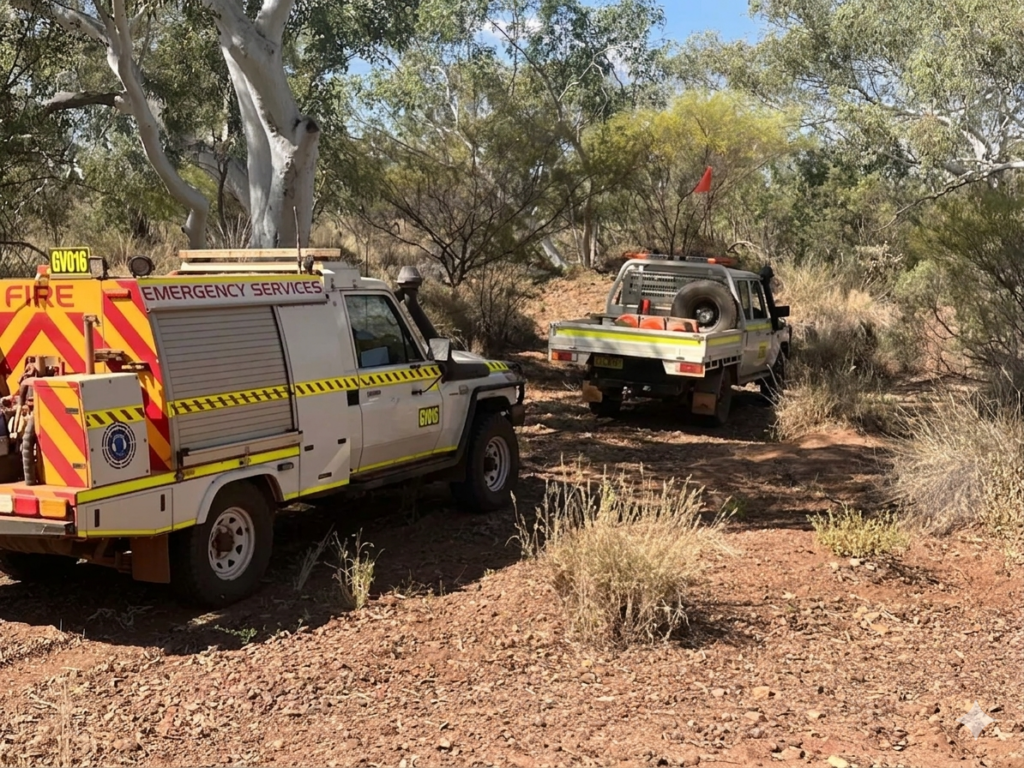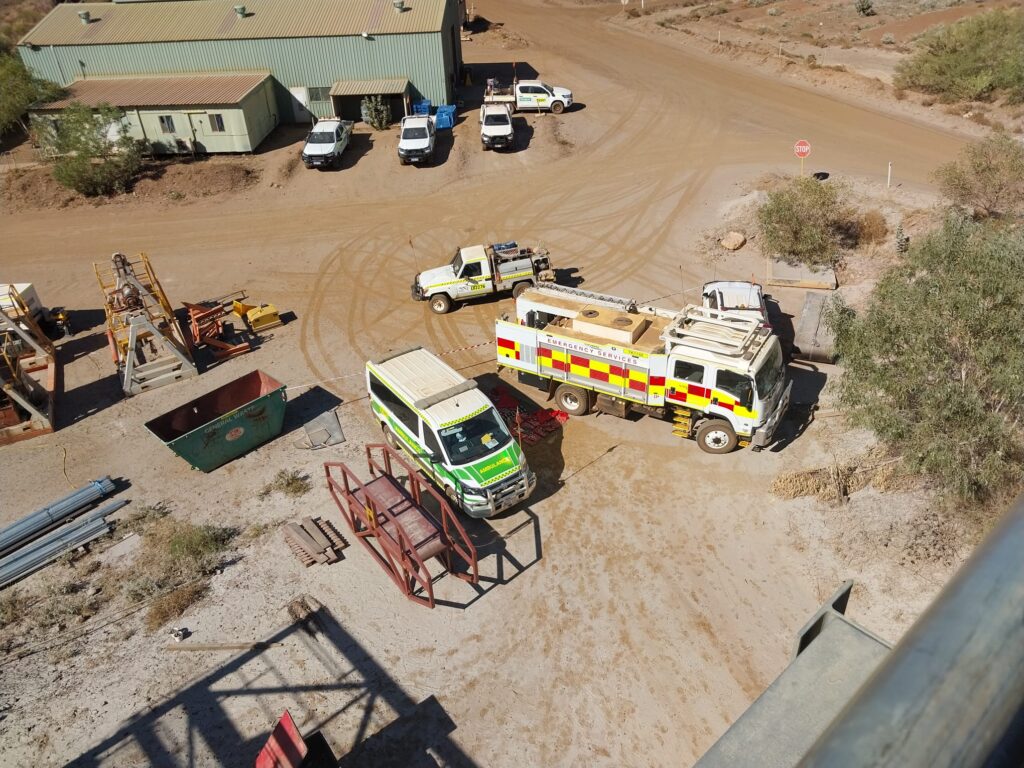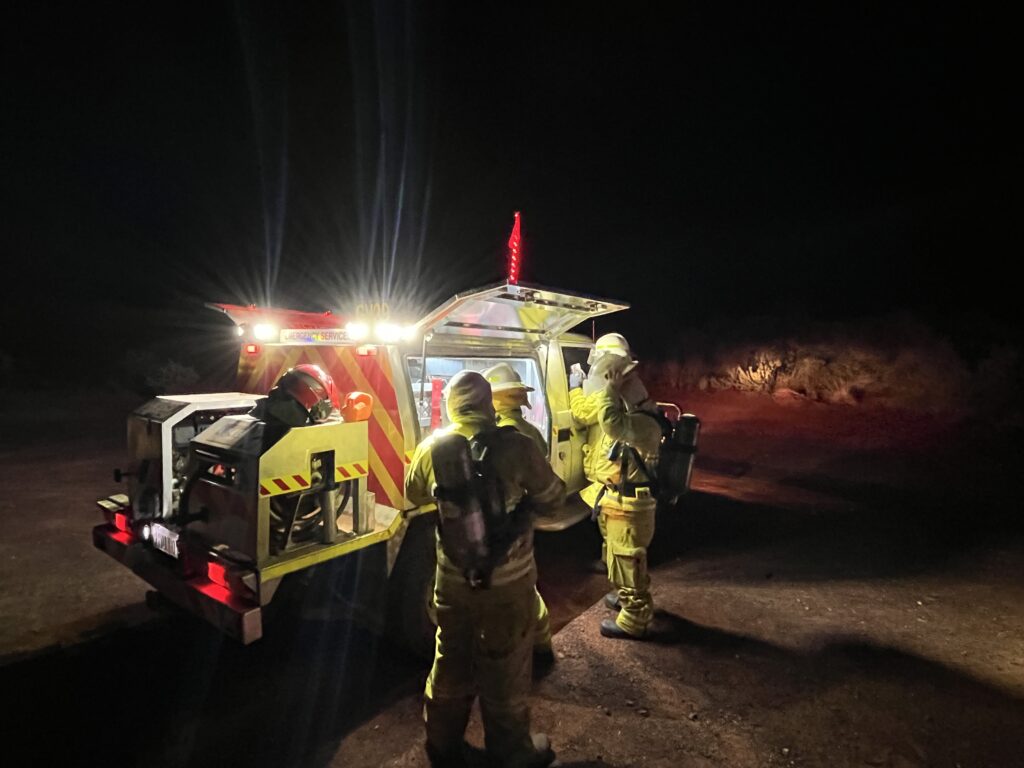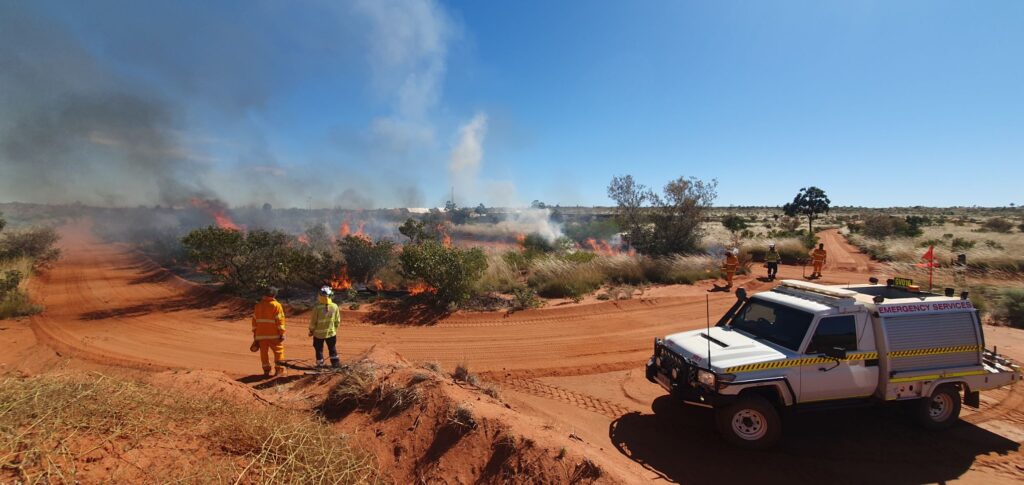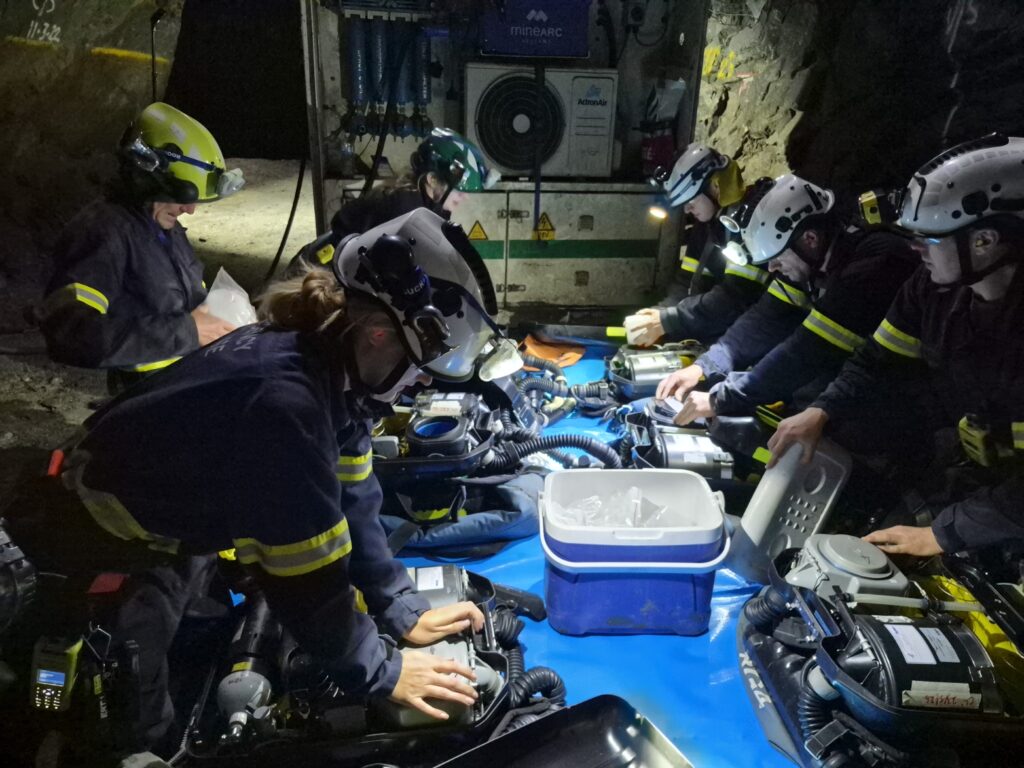
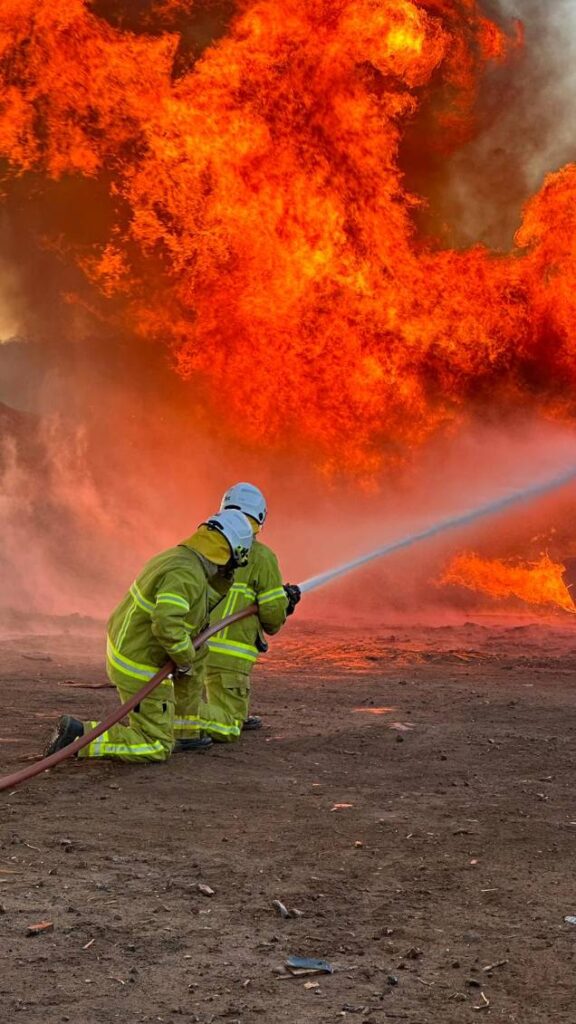
The RII30719 Certificate III in Emergency Response and Rescue qualification prepares learners to operate effectively as part of an emergency response team within the resources and infrastructure sectors. It supports individuals who need the capability to respond to onsite emergencies, contribute to rescue operations, and work safely in high‑risk environments. This qualification reflects the skills required of emergency service workers in mining and related industries, aligning with the national training package requirements for the Resources and Infrastructure Industry
What students will learn
This qualification is suited to individuals seeking to work as emergency response team members or those already employed in mining and resource operations who require formal recognition of their emergency response capability. On completion, learners will be equipped with the practical skills and knowledge to contribute to safer workplaces and support coordinated responses to emergency situations across resource and infrastructure sites.
General Entry Requirements
Minimum age: Usually 18 years old.
Language, Literacy and Numeracy (LLN): You may need to complete an LLN assessment to ensure you can read, write and understand training materials.
Fitness: Must have a level of physical fitness suitable for emergency and rescue tasks (e.g. climbing, carrying equipment, confined space work). A medical clearance may be required.
PPE: Must be able to wear and use personal protective equipment (PPE) such as breathing apparatus, harnesses, and rescue gear.
Working Environment: Many providers require participants to be employed in (or seeking employment in) mining, emergency response, or industrial rescue environments.
Primary Audience
Emergency Response Team (ERT) members in high-risk industries (e.g., mining, oil & gas, construction, manufacturing, utilities).
Mine site and industrial workers responsible for on-site emergency preparedness.
Health, Safety & Environment (HSE) officers or supervisors seeking nationally recognised skills.
Secondary Audience
Workers in remote or hazardous environments where rescue skills may be required.
Emergency services volunteers (e.g., SES, rural fire brigades) wanting nationally recognised training.
Individuals aiming to progress to higher-level emergency management or paramedic pathways.
Industry Recognition – Nationally accredited qualification recognised across mining, resources, and emergency services sectors.
Career Opportunities – Opens pathways into emergency response teams, OHS roles, site safety management, and supervisory positions.
Compliance Advantage – Meets workplace health & safety (WHS) and regulatory requirements in high-risk industries.
Specialised Skills – Equips you with advanced skills in firefighting, rescue, hazardous materials response, and incident management.
Roles that this unit may be relevant to:
Emergency Services Officer (ESO) – responsible for on-site emergency response, rescue, and medical assistance in mines and remote sites.
Mine Rescue Team Member – part of specialised teams trained for underground and surface mine rescue.
Occupational Health & Safety (OHS) roles – safety officers with additional emergency response skills are in high demand.
Emergency Response Technician – providing fire, rescue, and first aid services on rigs and processing plants.
HSE (Health, Safety & Environment) Officer – professionals with rescue training are often preferred.
Safety Advisor / Safety Coordinator – with extra credibility due to practical emergency skills.
Rescue Team Member – confined space and height rescue teams for large infrastructure projects.
Industrial Firefighter – working in refineries, airports, or industrial complexes.
Pathway into Fire & Rescue Services – while not the same as a firefighting qualification, it strengthens your application.
Volunteer Rescue & Fire Services – improves capability and community involvement.
You’ll cover topics such as:
This qualification is made up of 14 units of competency, combining core skills essential for all emergency medical first responders with elective units tailored to industry needs. The units are delivered in a practical, workplace-focused context to ensure participants can confidently apply their knowledge and skills in real situations.
To achieve the RII30719 Certificate III in Emergency Response and Rescue, participants must complete a total of 9 units:
RII30719 – Certificate III in Emergency Response and Rescue, the packaging rules are:
Total units = 14
5 core units
9 elective units
| Unit Code | Unit Name |
| HLTAID014 | Provide Advanced First Aid |
| RIICOM201E | Communicate in the workplace |
| RIIERR301E | Respond to work site incidents |
| RIIRIS301E | Apply risk management processes |
| RIIWHS201E | Work safely and follow WHS policies and procedures |
The elective units have been carefully selected in consultation with industry to provide participants with practical, job-ready skills relevant to emergency response roles. These electives build on the core foundation, focusing on workplace risk control, cultural safety, advanced and remote first aid, and responding to local emergencies—ensuring graduates are equipped for a wide range of workplace and community situations.
| Unit Code | Unit Name |
| PUAFIR207 | Operate Breathing Apparatus (Open Circuit) |
| PUAFIR210 | Prevent Injury |
| PUASAR024 | Undertake Road Crash Rescue |
| RIIERR302E | Respond to Local Emergencies and Incidents |
| RIIERR201E | Conduct Fire Team Operations |
| PUAFIR306 | Identify, Detect and Monitor Hazardous Materials at an Incident |
| PUASAR022 | Participate in a Rescue Operation |
| PUAEQU001 | Prepare, Maintain and Test Response Equipment |
Assessment methods include:
The RII30719 – Certificate III in Emergency Response and Rescue is nationally recognised and accredited under the Australian Qualifications Framework (AQF).
Successful participants will receive a Statement of Attainment issued for National Training Register – RII30719 Certificate III in Emergency Response and Rescue by an Australian Registered Training Organisation (RTO) upon demonstrating competency in all assessment requirements.
All PPE and Equipment will be provided on the day
On the day lunch and drinks will be provided between 12-1pm
Delivered over 15 Days with a total of 150 hours of supervised and workplace learning.
This course is delivered at a range of workplaces and training sites to provide realistic, industry-specific learning environments. See our locations below
Experience dynamic learning at Forrestdale, Perth with great facilities in a great location
The cost of the RII30719 – Certificate III in Emergency Response and Rescue reflects the high level of industry expertise, resources, and workplace-based training provided. RMTS offers flexible payment options.
| Title | Fee |
| Full Fee1 | 4950 |
Enrolling in our courses is now easier than ever, thanks to our online enrolment process. Simply click on the button below, and you’ll be taken to our online enrolment form, where you can provide all the necessary information and complete your enrolment in just a few easy steps. Our online enrolment process is convenient, secure, and available 24/7, ensuring that you can enrol at a time that suits you. Don’t let distance or time constraints hold you back from achieving your career goals. Enrol online today and take the next step in your professional journey.
If you have any questions related to the RII30719 – Certificate III in Emergency Response and Rescue please contact us here