Face-to-Face

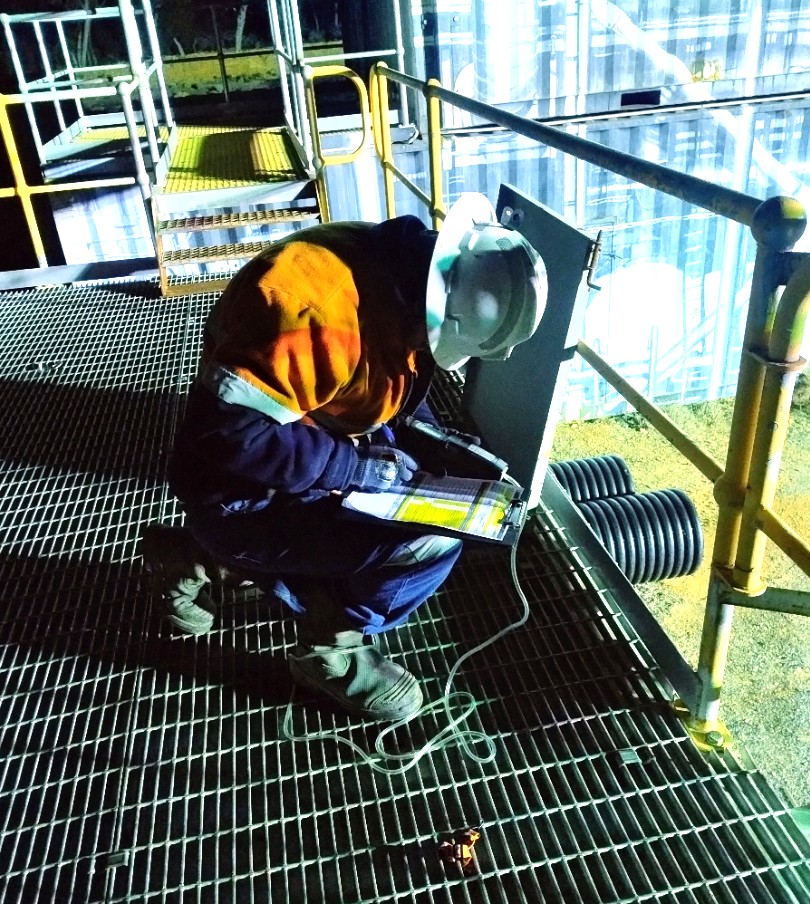
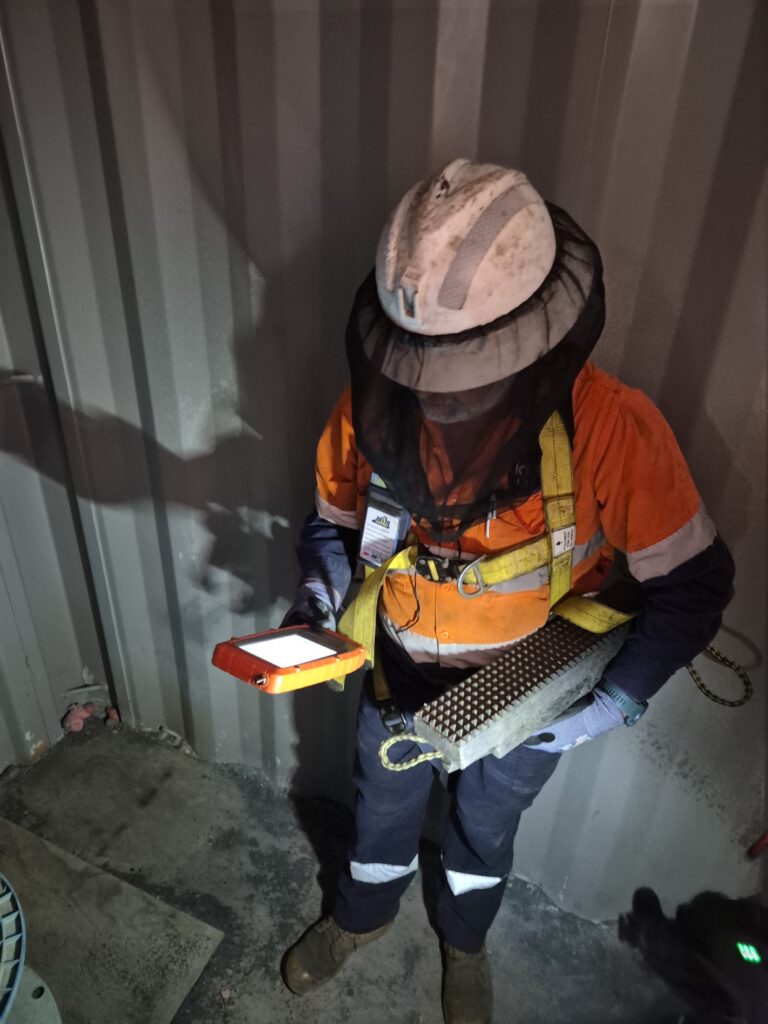
The RIIWHS401E – Supervise work in confined spaces unit provides students with the skills to safely oversee confined space operations, including hazard identification, risk control and emergency procedures. This unit is ideal for supervisors responsible for coordinating teams, ensuring compliance, and maintaining safe work practices in high‑risk environments.
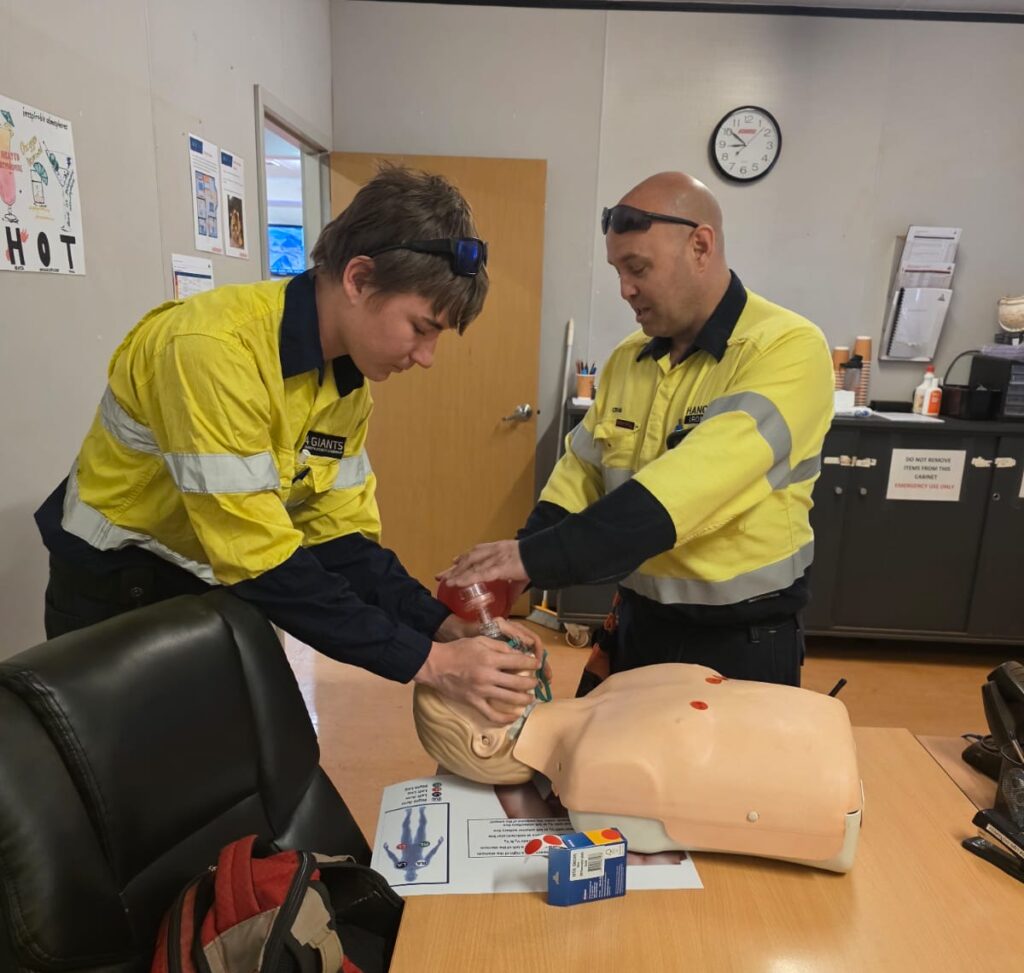
HLTAID009 – Provide cardiopulmonary resuscitation course provides the skills and knowledge required to perform cardiopulmonary resuscitation (CPR) in line with the Australian Resuscitation Council (ARC) guidelines.
The HLTWHS005 – Conduct manual tasks safely course provides core training for safe manual handling in mining, oil and gas, construction, health, and emergency response settings. These industries demand practical safety skills to minimise injury risks and support compliance.
PUAVEH001 – Drive vehicles under operational conditions unit provides participants with the skills and knowledge required to safely operate vehicles in a range of operational environments. Participants develop the capability to systematically control vehicle functions, conduct essential pre‑operational checks, and respond effectively to dynamic road, traffic, and terrain conditions.
The RIIRIS301E – Apply risk management processes course is designed to provide participants with the essential skills and knowledge required to apply risk management processes in the mining, drilling and civil infrastructure industries. It is relevant for individuals working in high-risk environments such as mining, heavy industry and construction.
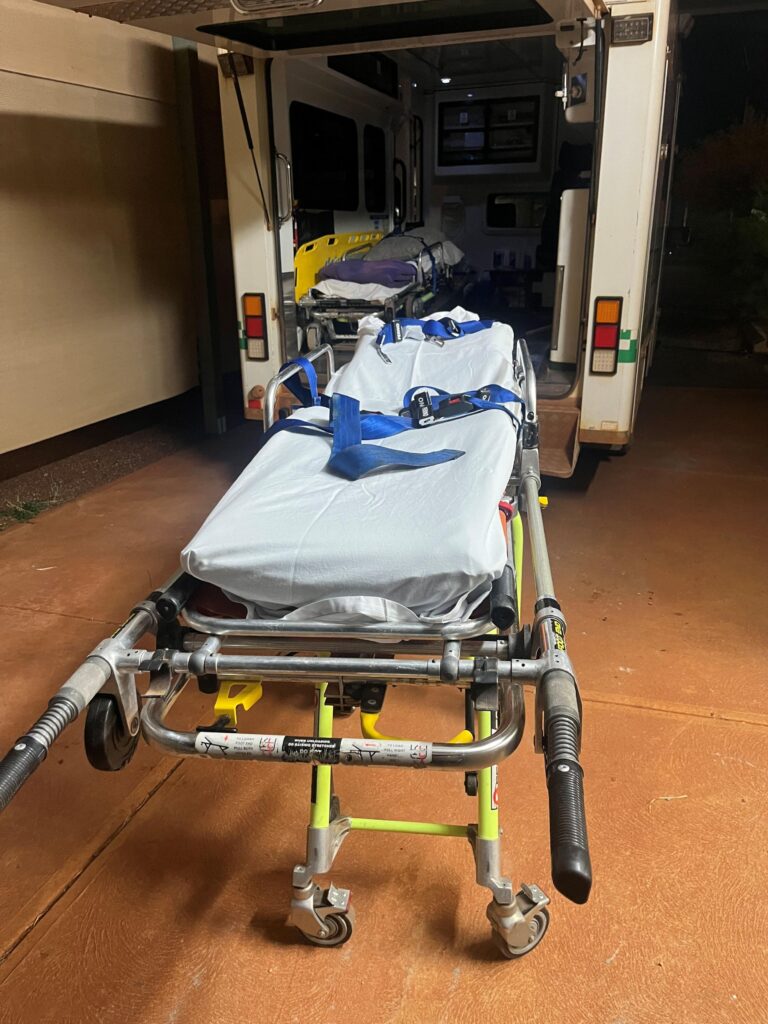
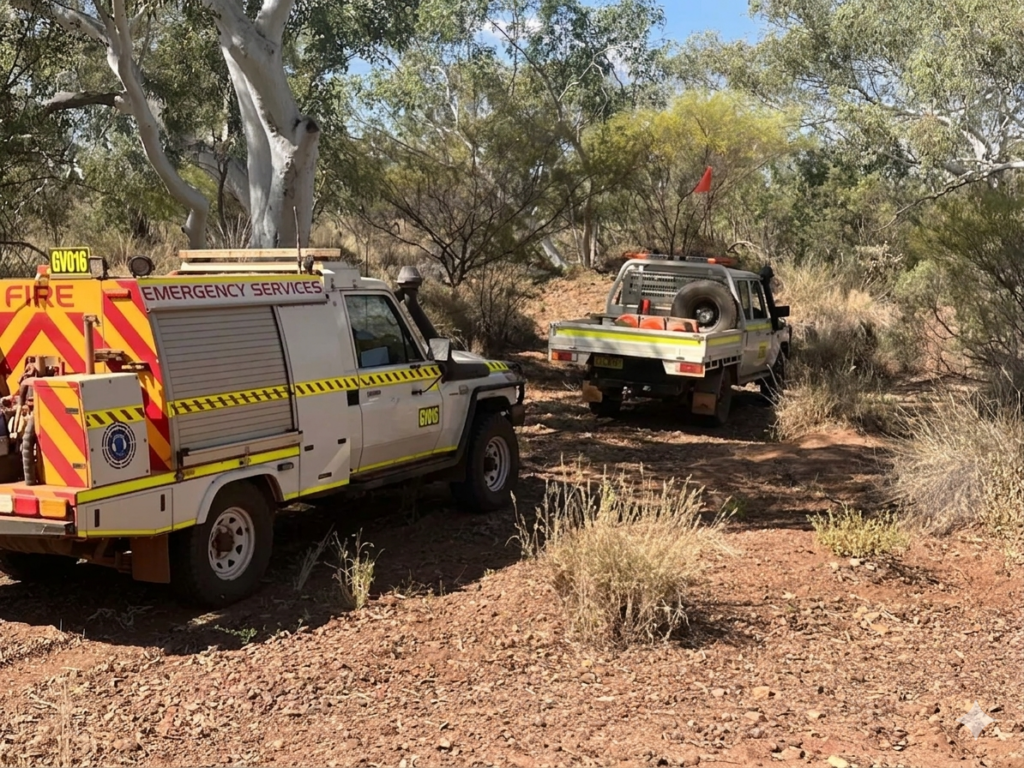
The RIIERR301E – Respond to work site incidents course is designed to provide participants with the essential skills and knowledge required to respond effectively to emergency incidents in a workplace setting. It is relevant for individuals working in high-risk environments such as mining, heavy industry and construction.
The RIICOM201D – Communicate in the Workplace course provides participants with the essential skills and knowledge required to communicate effectively in operational workplace environments. It is designed for people working in, or preparing to work in, the mining, resources, civil construction, and infrastructure industries, as well as other industries with similar work practices and procedures.
The PUAFIR210 – Prevent injury unit equips participants with the practical skills to identify workplace hazards, implement risk control measures including the use of PPE, and maintain safety through effective monitoring and reporting within high-risk environments.
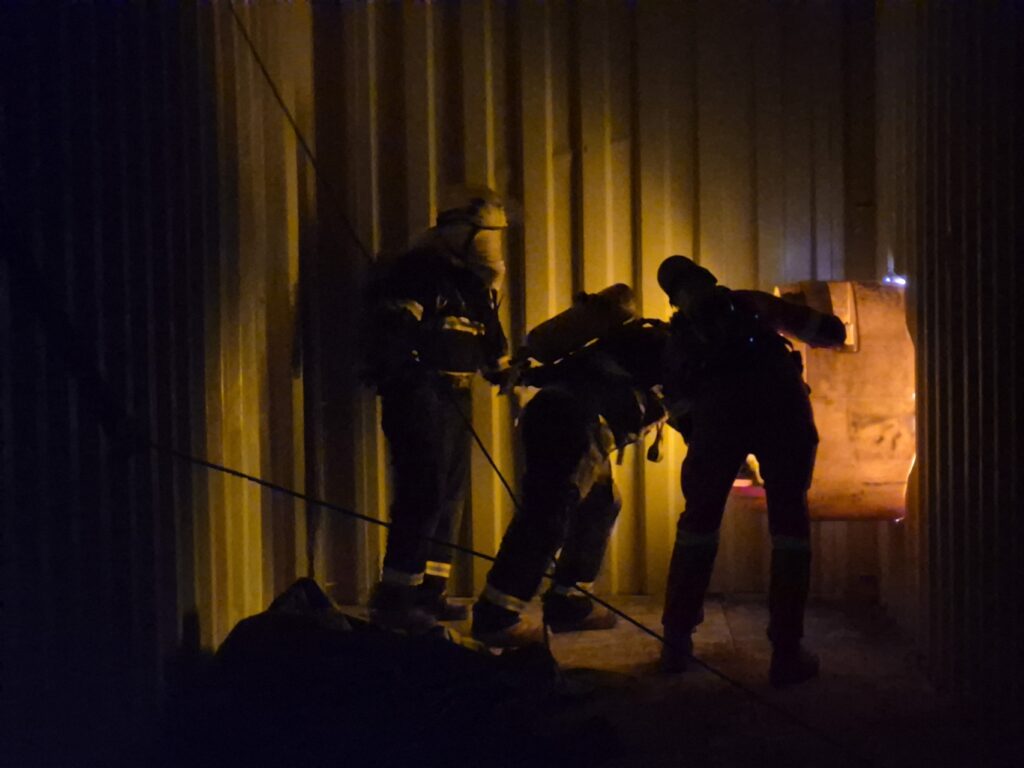
The RIIERR303E – Operate in self-contained regenerative oxygen breathing apparatus course provides the skills & knowledge required to navigate, communicate, and apply safe work processes and procedures using a self-contained regenerative oxygen breathing apparatus in an irrespirable atmosphere in the resources and infrastructure industries.
The PUAFIR207 – Operate breathing apparatus open circuit course involves participants gaining skills and knowledge to select, don, operate and maintain breathing apparatus equipment in a hazardous atmosphere. It is relevant for individuals working in high-risk environments such as mining, heavy industry and construction as well as in firefighting delivery sectors of government and industry. **RMTS includes PUAFIR210 Prevent injury for all enrolled students**
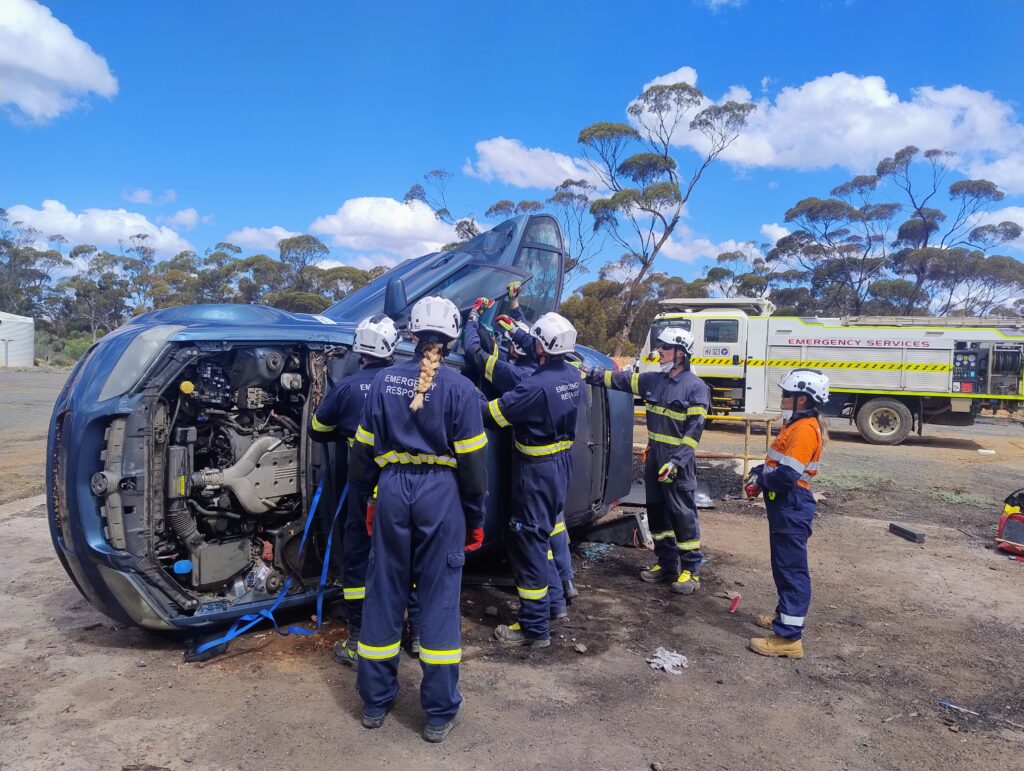
PUASAR024 – Undertake Road Crash Rescue unit develops the skills and knowledge required to safely access and extricate casualties from road‑crash vehicles—including cars, motorcycles, buses, vans, trucks and semi‑trailers. Participants learn to minimise the risk of further injury, apply best‑practice rescue techniques, and preserve the integrity of evidence throughout the incident response.
The MSMWHS201 – Conduct hazard analysis course equips participants with the practical skills to identify hazards, assess risks, and apply effective control measures to maintain a safe working environment. Learners develop a strong understanding of hazard analysis processes, legislative requirements, and workplace responsibilities. Successful course participants are confident in conducting structured hazard assessments and contributing to safer, more compliant operations.