Ask ten workers what “risk management” means and you will get ten answers, most of them involving paperwork. But on a working mine site, a construction job or an emergency callout, risk management is not a form — it is the habit of seeing what can hurt you before it does, and doing something deliberate about it. It is the difference between a near-miss report and an incident report.
The basics: hazard, risk, control
The language is simple. A hazard is anything with the potential to cause harm — a suspended load, an unventilated pit, a fatigued operator. Risk is the likelihood of that harm occurring together with how severe it could be. A control is what you put between the hazard and your people.
Good risk management works through the hierarchy of controls: eliminate the hazard if you can, substitute or isolate it if you cannot, engineer it down, back it with administrative controls, and treat PPE as the last line — never the first.
Why it is different in high-risk industries
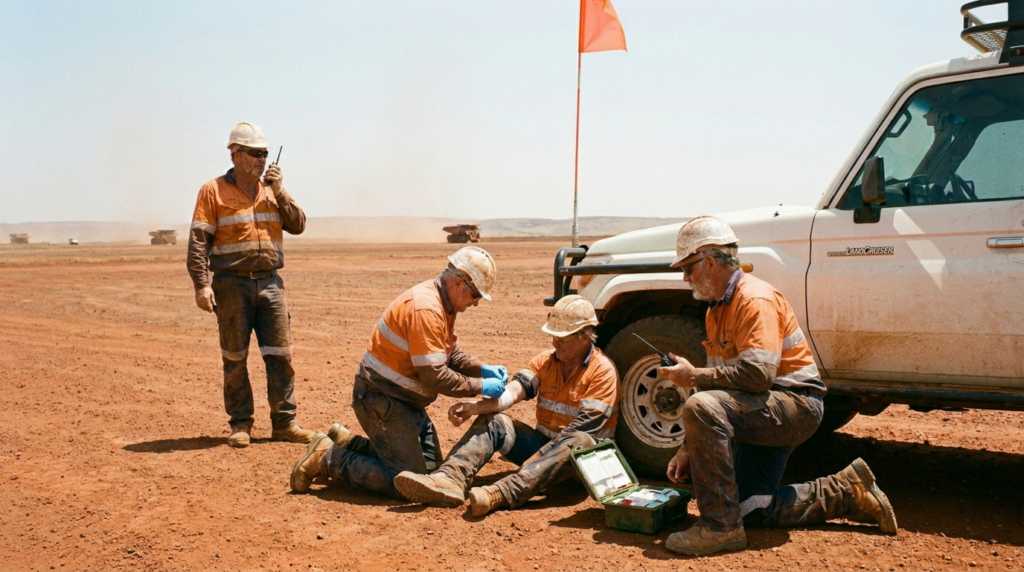
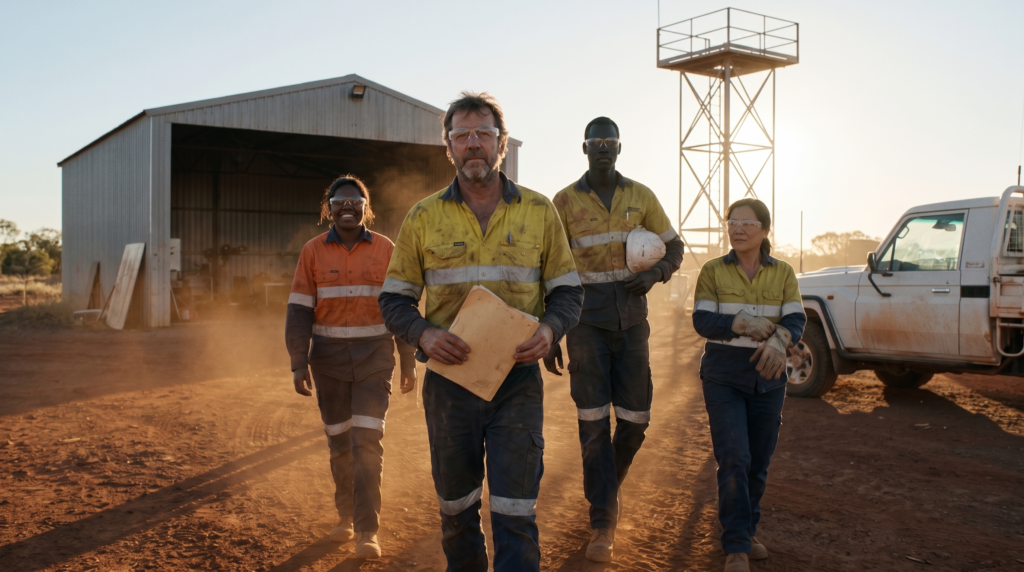
In an office, a missed hazard costs a bruised shin. In our industries the energy involved — vehicles, pressure, height, depth, atmosphere, fire — means a missed hazard can be fatal, and the person who spots it is rarely a safety manager with a clipboard. It is the operator, the spotter, the supervisor signing the permit. That is why regulators expect risk management competency to run through the whole crew, not just the site office, and why so many WA sites make formal risk training a condition of entry.
The training that builds it
RMTS delivers nationally recognised units that put structure around that instinct:
- RIIRIS301E – Apply risk management processes — the core unit for anyone who identifies hazards, assesses risk and applies controls as part of their role.
- MSMWHS201 – Conduct hazard analysis — systematic hazard identification for process and resource industries.
- MSMPER300 – Issue work permits — for the people who control high-risk work through permit systems.
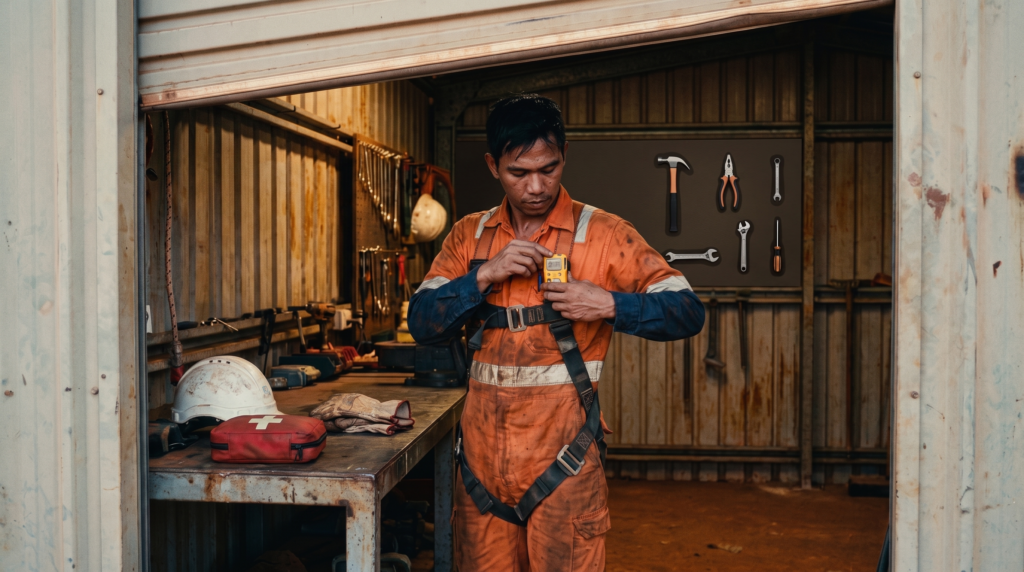
- MSMWHS217 – Gas test atmospheres — because you cannot manage a risk you cannot measure.
- RIIWHS401E – Supervise work in confined spaces and S26 Statutory Supervisor (Schedule 26) — for supervisors carrying legal accountability for the crews under them.
- RIIWHS201D – Work safely and follow WHS policies and procedures — the entry point for new starters.
Each unit is delivered by trainers who have held these responsibilities on real sites, with assessment built around scenarios you will actually face — not hypotheticals.
Where to from here?
If you are building a safety capability for a crew, start with a conversation — we deliver at our Forrestdale facility or on your site, and we can map units to the roles on your org chart. Browse the course library, check upcoming dates, or get in touch for a tailored proposal.