On a metropolitan worksite, a serious injury usually means an ambulance is on scene within minutes. On a remote Western Australian mine site, exploration lease or station, the nearest hospital can be hundreds of kilometres away, and outside help can be hours away rather than minutes. In that gap, the only medical care your workmate receives is the care you can provide.
That is the reality our HLTAID013 – Provide First Aid in remote or isolated site course is built around, and it is why remote first aid is treated as its own skill set rather than a bolt-on to a standard first aid ticket.
Why distance changes everything
Standard first aid training assumes the handover happens quickly: you manage the casualty, the paramedics arrive, and your job is done. Remote sites break that assumption. Depending on weather, road conditions and aircraft availability, you may be responsible for a casualty for several hours before the Royal Flying Doctor Service or a site medic can take over. Basic interventions still matter, but so do things a metro course never has to cover in depth: monitoring a casualty over an extended period, managing shock and hydration, keeping accurate notes for the handover, and communicating clearly over radio or satellite phone to coordinate an evacuation.
What the course covers
HLTAID013 includes everything in the standard HLTAID011 – Provide First Aid unit, then extends it for isolated environments. Over the course you will learn to:
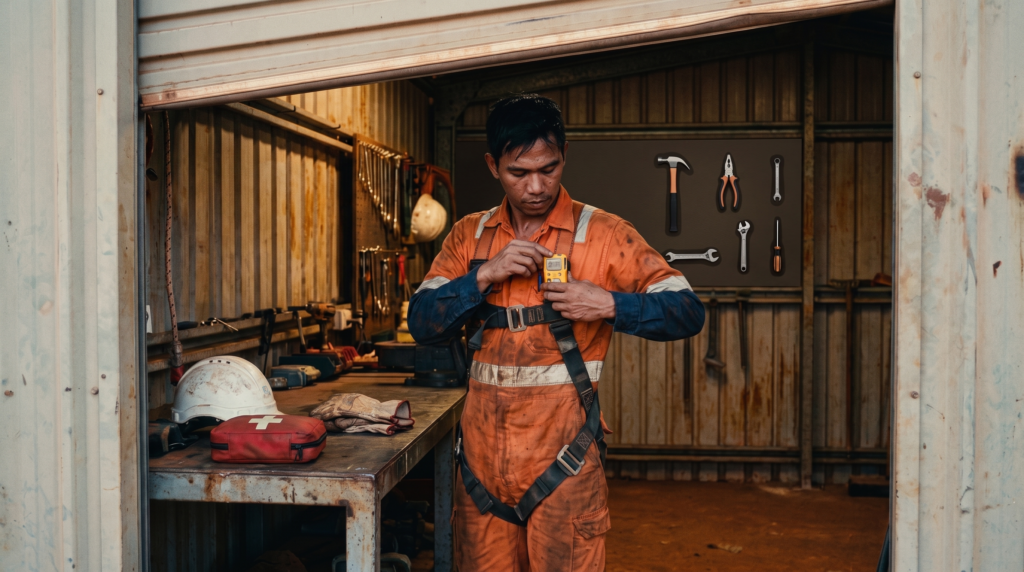
- Prepare for work in remote or isolated areas, including first aid kits, communications and emergency response planning
- Provide extended casualty care when help is hours away, including ongoing monitoring and record keeping
- Communicate an accurate situation report and coordinate with emergency services for road or aeromedical evacuation
- Improvise safely with the equipment on hand when the contents of a kit run out
- Manage your own wellbeing and that of bystanders during and after a prolonged incident
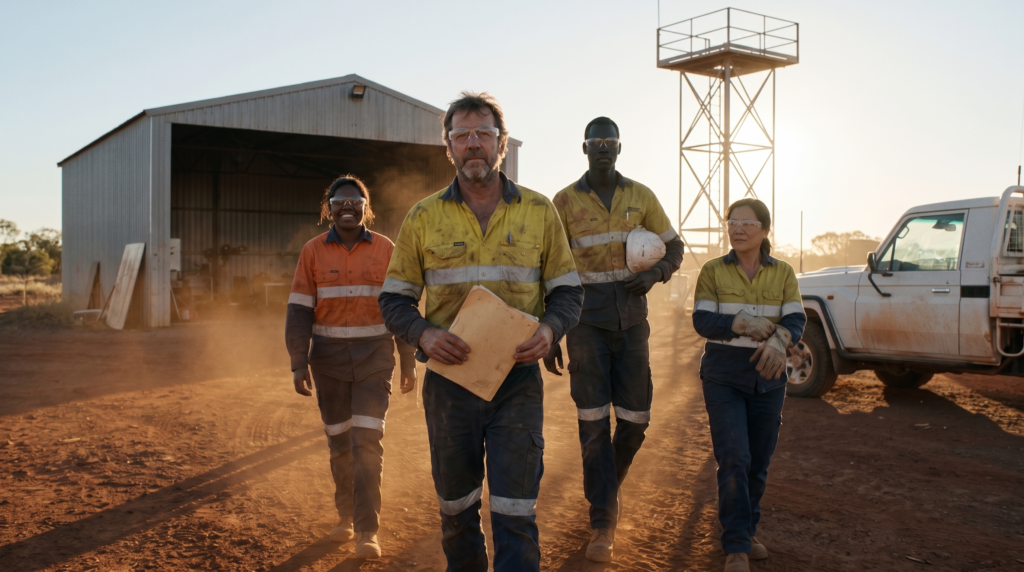
Like all our training, the scenarios are built around the environments our clients actually work in: red dirt, heat, distance and limited resources, not a classroom carpark.
Who should hold this ticket
If your people work beyond a reliable 30-minute emergency response, HLTAID013 is the appropriate first aid unit rather than the standard ticket. That includes exploration and drilling crews, road crews and civil teams on remote alignments, station and agricultural workers, 4WD operators travelling between sites, and supervisors with emergency response duties in their role. Many WA sites now specify remote first aid coverage in their emergency response plans, so holding the unit also keeps your crew compliant with site requirements.
Book your crew in
HLTAID013 is delivered by our experienced trainers and can be run at our facility or on your site. Check upcoming dates on the training calendar, or get in touch to arrange a session for your team. If you are not sure whether the standard or remote unit fits your operation, ask us – it is a five-minute conversation that can matter enormously when something goes wrong a long way from town.